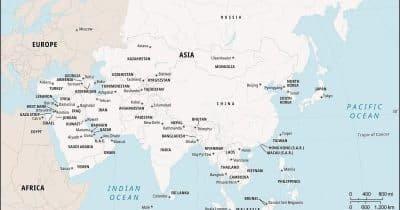
The dramatic decline in Asia's syndicated loan market, now at its lowest since the pandemic, underscores a crucial financial principle: geopolitical instability directly impacts credit markets by dampening lender confidence.
Current Trends in Asia's Loan Market
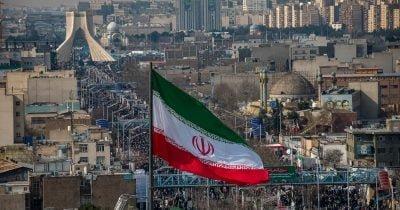
In the first quarter of 2026, lending activity across the Asia-Pacific region (excluding Japan) fell sharply, exhibiting a decline to levels not seen in five years. This alarming trend reflects a direct correlation between regional instability and credit availability, with the ongoing conflict in Iran acting as the primary catalyst for this credit freeze.
Geopolitical Tensions and Economic Repercussions
The escalation of tensions in Iran from late February 2026 triggered widespread concerns, leading to soaring oil prices and disruptions in shipping routes. The combined effect of these factors has drastically altered risk perceptions among Asian banks, compelling them to reassess their exposure to the Gulf region.
- Rising oil prices elevate input costs for Asia's export-oriented manufacturers.
- Oil-importing nations in Southeast and South Asia face current account deficits, harming currency stability.
As domestic fundamentals rapidly deteriorated, lenders found themselves confronted with a convoluted credit landscape when pricing loans in G3 currencies. The previously optimistic outlook for the Gulf region's lending potential quickly evaporated as banks tightened their risk limits and halted new commitments.
Broader Market Implications
The impacts of these trends are not confined to the loan market. Stock and bond markets across Asia encountered volatility throughout March to June 2026, as investor sentiment soured under the weight of sustained uncertainty surrounding the Iran conflict. Investors need to remain vigilant, as shifts in geopolitical landscapes will continue to influence not only lending dynamics but also the performance of various asset classes.
In conclusion, the contraction in Asia's loan market demonstrates not just a momentary aberration but signals a deeper reckoning regarding the geopolitical factors that will continue to shape financial arenas. This scenario reminds investors and market participants that geopolitical stability is vital to maintaining robust credit ecosystems in the region.