The recent announcement from Australia regarding its first annual trade deficit since 2016 marks a significant turning point for the nation’s economy. With a recorded goods trade deficit of A$3.02 billion in May, the reaction from the markets and the implications for commodity-dependent economies cannot be overstated.
Understanding the Decline in Exports
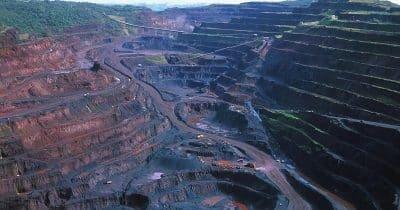
Australia's trade balance has reversed drastically as evidenced by the Australian Bureau of Statistics reporting a A$2.4 billion trade deficit for the March quarter of 2026, shifting from a modest A$1 billion surplus. The situation worsened by May, with exports plummeting by 6.9%, largely due to decreases in key commodities such as non-monetary gold, iron ore, and coal. The cyclone events, specifically Cyclones Koji and Mitchell, not only disrupted mining operations but severely impacted logistics, making it challenging for the country to maintain its export momentum.
The Import Surge: A Double-Edged Sword
On the other hand, imports have risen by approximately 3%, driven by increased demand for data center equipment and fuels. This shift suggests a growing reliance on international goods that may undermine local industries. Consequently, the current account deficit soared to A$27.1 billion in the first quarter of 2026, marking the largest ratio of deficit to GDP since 2016. The previous trade surplus, which bolstered the Australian dollar and supported local economic growth, now risks triggering a currency depreciation that could inflame inflationary pressures, affecting consumers and businesses alike.
Implications of the Commodity Supercycle
The turn of events raises critical questions regarding the sustainability of the commodity supercycle that has previously underpinned Australia’s economy. Global declines in prices, especially for thermal coal and iron ore, expose vulnerabilities, notably as China’s property sector once a significant demand driver continues to falter. The normalization of LNG prices from peaks reached in 2022 further compounds concerns about the future of resource-driven economies globally.
In light of these developments, investors and market observers should closely monitor the ramifications of Australia’s trade deficits on global commodity markets. The potential for decreased demand and lower prices for key exports suggests a prolonged adjustment period for not just Australia but other economies reliant on commodities.