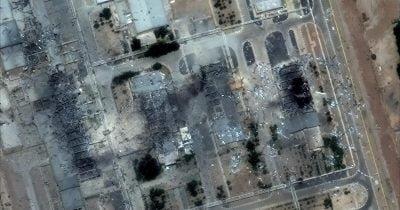
The recent military strikes by US forces on Iranian military positions near the Strait of Hormuz have heightened regional tensions and raised significant concerns about global energy markets. The US military targeted missile systems, drone infrastructure, and radar sites on June 26, 2026, following an Iranian drone attack on the Singapore-flagged cargo ship, Ever Lovely. This strike is described by US Central Command as a limited act of self-defense, yet it triggers fears of potential escalations amidst rising geopolitical volatility.
The Significance of the Strait of Hormuz
The Strait of Hormuz is not merely a strategic waterway; it represents a crucial artery for global oil trade, with around 20% of the world's oil passing through this narrow corridor. Disruptions in this region can result in sharp spikes in energy prices and broader economic impact. As noted, the strait stretches approximately 21 miles at its narrowest point, making it particularly vulnerable to geopolitical conflict. The timing of the US strikes, occurring amid already elevated regional tensions, adds to market anxiety.
- 20% of global oil trade transits through the Strait of Hormuz.
- Multiple incidents in May and June 2026 had already increased perceived risk.
- Iran’s IRGC has hinted at possible retaliation against US actions.
These developments trigger a complex relationship with market perceptions the potential for Iranian retaliation could spell further disruption for shipping through the strait, influencing energy prices and inflation expectations significantly.
Market Reactions and Potential Impact
From a market perspective, the implications of these tensions extend beyond energy prices. Historical trends suggest that escalations in geopolitical conflicts typically correlate with short-term volatility across risk assets, including cryptocurrencies. While Bitcoin and other major cryptocurrencies can initially react in tandem with equities, they also demonstrate a tendency to recover more swiftly during crises, making them an asset of interest during these times of heightened uncertainty.
As traders monitor the situation closely, the ongoing rhetoric from Iran regarding retaliation will be crucial. Should further escalations occur, energy market volatility could disrupt inflation targets and influence investor sentiment across various asset classes.
Looking Ahead: What to Watch
Investors should stay abreast of developments regarding US-Iran relations and any actions taken by the IRGC following the strikes. The potential for increased regional conflict poses undeniable risks, not only for energy markets but also for overall risk appetite globally. Future commentary from US authorities and any signs of further Iranian provocations will be key indicators to watch in the coming weeks.
This material is for informational purposes only and is not financial advice.