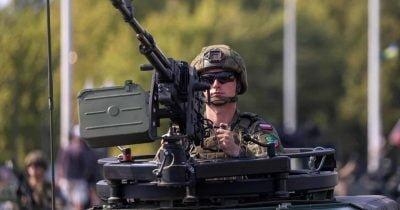
Poland has made headlines by significantly increasing its defense budget, marking a decisive shift in its military policy within the NATO framework. As tensions with Russia continue to mount, especially concerning the ongoing conflict in Ukraine, Poland's commitment to defense has never been more pronounced. With defense spending projected to reach 4.8% of its GDP by 2026, Poland is positioning itself as a critical deterrent on NATO's eastern flank.
Significance of This Development
This upward trend in Poland's defense expenditure is not merely a financial statistic; it reflects a broader strategic evolution aimed at countering perceived threats from Russia. The nation’s military investments focus on acquiring advanced capabilities like missile systems and air defense technology, which are crucial for enhancing its readiness against potential aggression from the east. Key figures to note include:
- Defense budget reaching 4.5% of GDP in 2025
- Projected increase to 4.8% in 2026
This commitment suggests that Poland intends to solidify its role as a linchpin in NATO's deterrence strategy, especially considering market perceptions that imply a reduced likelihood of Russian military actions penetrating into critical areas like Sloviansk.
Implications for NATO and Regional Stability
As Poland increasingly invests in its military capabilities, the ripple effects on NATO's collective defense posture are substantial. Poland's actions are likely to strengthen the alliance's deterrence capabilities along its eastern borders, and consequently, they could reshape the geopolitical landscape of Eastern Europe. Observers should keep a close eye on how NATO responds collectively to this surge in military investment, which could further affect market sentiments and expectations regarding military engagements in the region.
Looking Ahead: What to Monitor
Going forward, it will be crucial to observe Poland’s defense initiatives and how they mesh with NATO's collective response to Russian activities in Eastern Europe. The trajectory of Poland's military modernization and NATO's support or lack thereof will directly impact the regional power dynamics and the potential for conflict. Moreover, unfolding developments in Ukraine and the surrounding geopolitical context will likely influence market predictions and strategic forecasting.
Disclaimer: This material is for informational purposes only and is not financial advice.