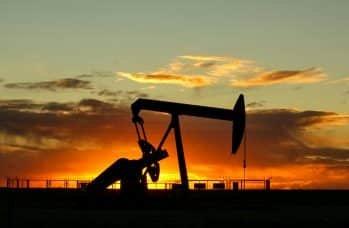
Recently, oil prices have witnessed a significant downturn, with rates now hovering in the $60s per barrel. This drop starkly contrasts with the peak of $126 previously experienced during geopolitical unrest in the Middle East. As the global market shifts its attention from supply-related factors to weakening demand, particularly stemming from China’s real estate crisis, the implications for the energy sector could be profound.
Understanding the Importance of Current Pricing Trends
The decline in oil prices is not merely a response to market fluctuations; it highlights a crucial transition in the global economic landscape. The real estate sector in China, a critical driver of energy consumption that accounts for approximately one-third of the country's economic demand, has been facing severe challenges. This situation has led to significantly reduced energy needs, which is reflected in the falling oil prices. Investors and market analysts are beginning to interpret these trends as elements signaling a potentially protracted period of subpar demand, diminishing the likelihood of crude oil achieving new all-time highs.
- The current price of oil is approximately $60 per barrel.
- Predictions indicate only a 4% probability of oil prices reaching a new peak by September 30.
- China's real estate crisis is a primary factor influencing global oil demand.
Market reactions to these developments suggest a decreasing faith in the resilience of oil prices, traditionally considered a safe bet amidst geopolitical fluctuations.
Looking Ahead: Key Factors Influencing the Market
As investors navigate this evolving landscape, several critical stakeholders and events warrant attention. Notable figures such as OPEC Secretary General Mohammad Sanusi Barkindo and IEA Executive Director Fatih Birol may provide crucial insights on production adjustments and demand forecasts that could further affect market dynamics. Furthermore, any news regarding China’s real estate sector, including efforts for stabilization or policy shifts, could significantly influence global perceptions of energy consumption. Monitoring upcoming economic reports that track global demand trends will also be essential in understanding how this crisis may reshape the future of oil prices.
This content is for informational purposes only and does not constitute financial advice.