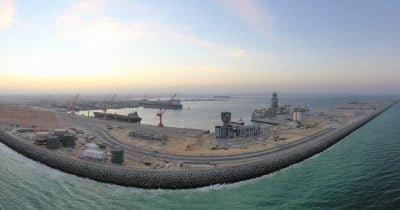
In a significant escalation of the ongoing tensions between Iran and the United States, Iranian Revolutionary Guards have attacked US military logistics facilities at Duqm port in Oman. This incident, which occurred on March 1 and March 3, 2026, represents the third round of retaliatory actions by Iran, following a series of US and Israeli strikes on its positions that began on February 28. As one of the most strategically important ports outside the Persian Gulf, the Duqm port's security is pivotal not just for military logistics but also for broader energy markets and shipping routes.
The strikes involved two Iranian drones targeting the facilities. The first drone hit a mobile housing unit, injuring an expatriate worker, while the second drone was intercepted, though debris fell near sensitive fuel storage tanks. Just two days later, additional drones targeted the fuel tanks directly, resulting in damage but no reported casualties. These actions prompt concerns regarding the safety and operational continuity of a port that serves vital US naval operations.
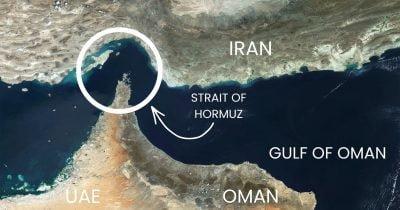
Duqm port's strategic location, approximately 500 kilometers south of the Strait of Hormuz, is critical for US naval logistics, particularly as it allows naval operations without the vulnerabilities associated with transiting the Strait. The US secured access to this port through a 2019 agreement with Oman, emphasizing its importance in maintaining military presence in the region.
Beyond military implications, the strikes signal a potential shift in Iran's operational calculus, particularly as Oman has historically acted as a diplomatic intermediary between Tehran and Washington. The Iranian strikes on Omani soil could indicate a willingness to risk diplomatic relations, suggesting that Iran prioritizes direct retaliation over maintaining back-channel communications. The Duqm Special Economic Zone, which has seen substantial investment from China and South Korea, further complicates the situation as drone attacks on commercial shipping infrastructure could have broader implications for international trade.
For commodity and shipping markets, any escalation that threatens navigation in the Strait of Hormuz or the Gulf of Oman can lead to significant ripple effects. A fifth of the global oil supply traverses this crucial maritime corridor, which means that the potential for increased freight rates, elevated insurance premiums, and heightened costs of goods in transit could follow. Investors should closely monitor responses from Oman regarding the strikes, the potential for further US military action, and any impact on commercial shipping operations at Duqm, as such developments could reshape market dynamics in the energy sector.
This material is for informational purposes only and does not constitute financial advice.