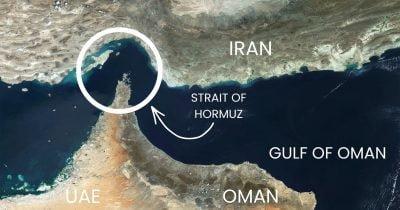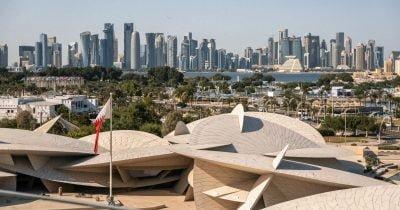
The ongoing turmoil in the Middle East has taken a significant turn as Qatar publicly condemned Iranian assaults not only on its territory but also on other Arab nations. This condemnation comes during the 2026 Iran war, which has ignited following coordinated U.S.-Israeli military strikes earlier this year. The situation underscores a troubling escalation of hostilities, with Iran launching missile and drone attacks aimed at Gulf Cooperation Council (GCC) nations, despite their neutrality in the conflict.
These aggressive actions by Iran bring forth critical implications for regional stability. By targeting civilian infrastructure and energy facilities in states that have not engaged in the hostilities, Iran is not only breaching international norms but also jeopardizing the delicate balance of power in the region. This approach suggests a dangerous willingness to escalate conflicts beyond its immediate borders.
The condemnation by Qatar indicates a growing concern among Gulf nations regarding Iranian intentions. It reflects a broader sentiment that the conflict is no longer contained and could lead to unforeseen repercussions, including potential internal dissent within Iran. With the Iranian regime facing increased scrutiny and pressure, especially under the leadership of President Masoud Pezeshkian, these developments might signal a critical juncture for his administration.
Market participants are now on high alert, closely observing potential indications of further escalations in the Middle East. Any subsequent actions by Iran could lead to an increase in regional tensions, necessitating a reevaluation of geopolitical strategies by neighboring countries. Additionally, analysts are watching for signs of political instability within Iran, which could manifest as public protests or even defections from the regime. It is evident that the current trajectory may challenge the regime's authority and influence.
As the situation unfolds, any official communications from Iranian leadership or shifts in international diplomatic efforts will serve as pivotal indicators of the region's future dynamics. Investors and political analysts alike must remain vigilant, as the consequences of this conflict extend beyond immediate military engagements and could reshape the landscape of Middle Eastern politics for years to come.
This material is for informational purposes only and does not constitute financial advice.