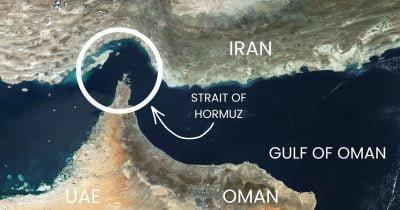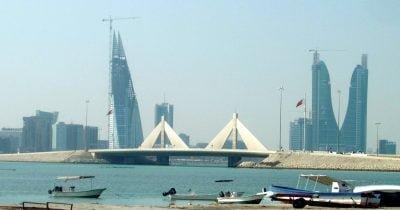
Recent events in Bahrain, where three individuals, including a child, were injured by falling debris during Iranian missile and drone interceptions, highlight a concerning trend in regional military hostilities. These attacks, executed by Iran’s Islamic Revolutionary Guard Corps (IRGC), are not isolated incidents but a reflection of the ongoing strife in the 2026 Iran war, which reignited following the collapse of a temporary ceasefire.
The injuries sustained during these interceptions serve as a stark reminder of the risks civilians face amid military operations. With interception activities occurring over populated areas, the civilian toll raises critical questions about military strategy and the protection of non-combatants in conflict zones. This escalation further complicates an already tense geopolitical landscape involving Iran, the U.S., and Israel.
Market Implications of Escalating Military Tensions
The implications of these developments extend beyond immediate humanitarian concerns and into the financial markets. Current market sentiments indicate a rising probability of a full airspace closure by Iran, with analysts estimating a 24% chance for such a closure by July 31. As tensions escalate, market players are increasingly factoring in the potential disruptions to aviation and trade, leading to heightened volatility.
The risk of falling debris from Iranian military actions not only represents a physical hazard to civilians but also suggests an environment ripe for further escalation. Investors and analysts should remain vigilant, as any new military activity or retaliatory actions could further impact market stability and investor sentiment.
Monitoring Developments and Risk Management
Moving forward, stakeholders will closely observe announcements from the Civil Aviation Organization of Iran (CAOI) regarding airspace status. The potential for additional military strikes or escalated operations will likely influence air travel and logistics in the region. Furthermore, developments in U.S.-Iran relations, particularly any signs of de-escalation, may affect market perceptions and risk pricing.
In light of these ongoing conflicts, it is important for investors to consider the broader implications of geopolitical tensions. As seen in previous analyses, such as the signals from Iran's missile incursions, the connection between military actions and financial markets can be significant. Stakeholders must prepare for potential shifts in market dynamics as these geopolitical factors evolve.
This article is for informational purposes only and does not constitute financial advice.