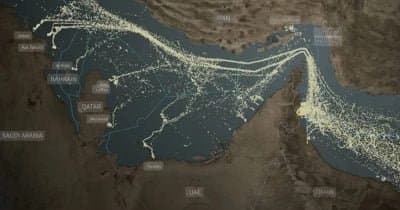
The closure of the Strait of Hormuz, a pivotal artery for global oil and liquefied natural gas (LNG) shipments, has ignited significant geopolitical tensions that reverberate far beyond regional borders. The recent remarks from former State Department official Aaron David Miller, indicating a shift from 'Operation Epic Fury' to 'Operation Epic Disaster', underscore the precarious situation facing the Trump administration as it grapples with this ongoing conflict. As the strait remains largely inaccessible to commercial vessels, the implications for the global energy market are profound and multifaceted.
Current Market Implications
With the Strait of Hormuz closed to most commercial shipping, the energy crisis intensifies, putting pressure on global oil prices and supply chains. Market analysts are closely observing these developments, interpreting them as harbingers of potential military escalation. Despite the heightened tensions, current prediction markets suggest a 5.5% chance of a formal U.S. declaration of war on Iran by the end of 2026, a slight decline from earlier predictions. This factor may contribute to cautious trading behaviors as investors grapple with uncertainty.
Potential Escalation Scenarios
Simultaneously, the probability of U.S. military actions across eight different countries remains stable at 35.2%. The ongoing military operations by U.S. forces in the Middle East are a clear indication of the high stakes involved. Observers are keenly aware of the potential for both escalation and resolution, hinging heavily on the decisions made by key players, including President Trump and congressional leaders. Each statement or military maneuver can significantly sway market perceptions, leading to rapid changes in investor sentiment.
The situation demands close scrutiny as further developments in the Strait of Hormuz and the broader regional military landscape could either exacerbate existing tensions or pave the way for diplomatic solutions. The coming months will be critical, as any shifts in U.S. military posture or congressional attitudes toward Iran could dramatically alter the likelihood of conflict.
In conclusion, as the geopolitical landscape continues to evolve, stakeholders must remain vigilant, tracking both military and diplomatic progress to navigate the uncertain waters of energy politics.
This material is informational and should not be considered financial advice.