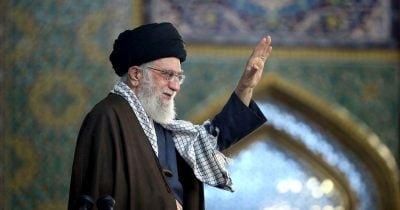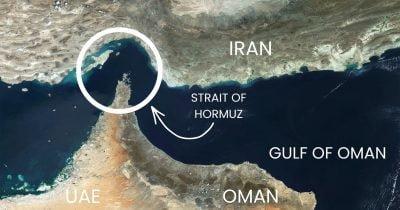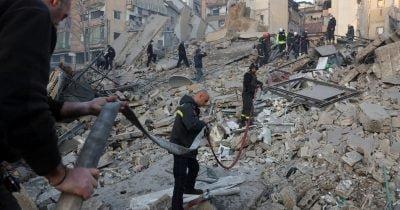
Amid escalating tensions in the 2026 Iran conflict, Qatar's recent condemnation of attacks highlights a critical shift in geopolitical dynamics. The statement comes at a time when Iran is retaliating against U.S. and Israeli strikes, with operations extending across Bahrain, Kuwait, and Qatar. This is particularly significant given Qatar's role as a key mediator between Iran and the U.S., which underscores the fragility of the current peace efforts.
The Collapse of Ceasefire and Regional Implications
The fragility of the ceasefire, which was recently disrupted due to ongoing air strikes, indicates a worrying trend for regional stability. Qatar regards these attacks as not just a violation of its sovereignty, but also as a direct challenge to diplomatic resolutions sought by involved parties. This sense of escalating conflict complicates any potential for peace talks, as regional stakeholders perceive the situation as increasingly volatile.
Market reactions to the situation have also been notable, with implications for investor confidence in regional dynamics. The perception of impending instability within Iran could significantly affect economic strategies and investment flows in the Gulf region.
What Analysts Should Monitor
Going forward, analysts and investors should closely observe:
- Further military action from both Iranian forces and U.S.-backed coalitions.
- Statements from Qatari diplomatic channels regarding their mediation role.
- Market reactions to shifts in military engagements.
These developments will likely influence perceptions of regime stability in Iran and the feasibility of U.S.-Iran peace negotiations. The urgency of the situation cannot be understated, as each decision made by regional powers carries significant weight for future diplomatic and economic landscapes.
This material is informational and not financial advice.