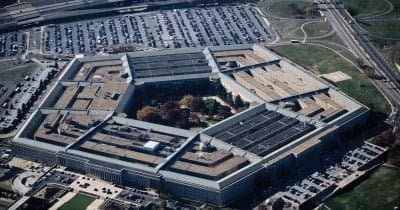
$70 billion and counting: the Pentagon faces a critical budget deficit as military engagement in Iran accelerates costs beyond initial projections. Funding lines are near exhaustion, pushing Washington into a familiar scramble for resources during high-stakes overseas conflicts.
Escalation Meets Budget Limits
Decisions taken at the highest levels to intensify operations against Iran have triggered spending surges the existing defense allocation cannot sustain. Unlike routine budget cycles, sustained combat against a heavily armed Middle Eastern opponent demands financial agility that current appropriations do not provide. The Pentagon’s dwindling funds reflect a mismatch between strategic ambitions and fiscal preparedness, with supplementary funding becoming an urgent necessity.
Historical Parallels and Political Dynamics
This scenario echoes previous engagements in Iraq and Afghanistan, where initial budgets underestimated prolonged conflict costs, forcing Congress into emergency funding debates. The constitutional power of the purse resides with legislators, limiting executive capacity to unilaterally finance war efforts. This dynamic risks legislative gridlock as political factions weigh the legitimacy and scope of military spending amid rising public scrutiny.
For investors and market observers, escalating defense spending may ripple beyond government accounts, influencing treasury yields and the broader macroeconomic environment. This fiscal stress could also shape geopolitical risk perceptions, potentially affecting asset allocations and trading decisions worldwide.
material is informational and not financial advice