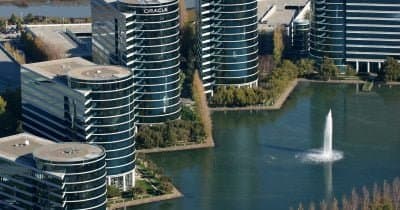
Oracle’s attempts to build AI megacampuses in Wisconsin and near El Paso, New Mexico, are hitting severe financial roadblocks, turning grand plans into a costly ordeal. Regulatory conflicts, a deteriorating credit rating, and unexpectedly high expenses are testing the company’s capacity to sustain its $165 billion AI infrastructure vision.
Wisconsin Campus: Regulatory Hurdles Inflate Costs
The Wisconsin facility was meant to symbolize Oracle’s AI ambitions, backed by a $15 billion investment to support around 1 gigawatt of power, intended to fuel AI workloads in partnership with OpenAI. Instead, Oracle found itself embroiled in legal battles with the Wisconsin Public Service Commission.
The core issue is the commission’s demand for financial guarantees potentially surpassing $100 million annually. These guarantees act as protection for ratepayers, ensuring they are not left responsible for power plant expenses if Oracle’s projects falter. The dispute highlights how regulators impose stringent requirements when companies with borderline credit ratings attempt large-scale energy infrastructure projects.
Oracle’s BBB credit rating, though still investment grade, reflects heavy borrowing tied to its AI push and leaves little room for slippage. Such a rating makes regulators wary and forces Oracle to navigate costly compliance demands alongside construction challenges.
Oracle’s experience illustrates how regulatory environments can significantly impact project economics, especially in capital-intensive AI infrastructure development. These factors contribute to budget overruns and uncertainty that can ripple through investor confidence and project timelines.
Project Jupiter near El Paso represents an even larger financial commitment. This site is expected to consume up to $165 billion over time, with $50 billion planned within the first five years alone. Oracle’s fiscal 2026 capital expenditures already exceeded earlier guidance, reaching $55.7 billion, signaling the scale of investment necessary to chase AI infrastructure leadership.
To sustain this, Oracle plans to tap additional debt and equity markets, raising questions about credit risk and borrowing costs. The risk that the rating could be downgraded further toward junk status is a key market factor. It could increase borrowing expenses and constrain available capital, complicating Oracle’s ability to fund these megaprojects.
This situation extends beyond Oracle. The AI infrastructure sector is in a fierce spending competition dominated by hyperscalers with stronger credit profiles and deeper pockets. Oracle’s struggle shows the financial perils for companies pivoting aggressively into AI hardware and data center builds without comparable balance sheets.
Oracle’s experience is a cautionary tale about the intersection of regulatory frameworks, credit dynamics, and massive infrastructure investments fueling AI’s backbone. The unfolding challenges highlight critical considerations for investors and competitors navigating this capital-intensive space.
This material is informational and not financial advice.