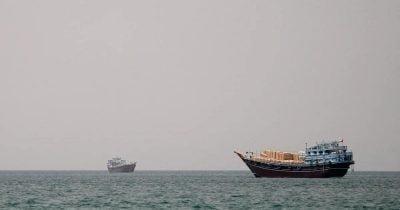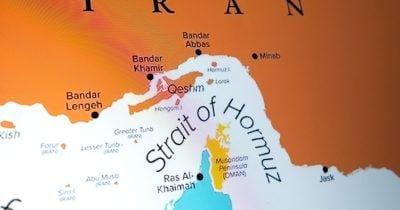
The ongoing conflict involving Iran, the United States, and Israel has raised significant concerns within the global shipping sector, particularly due to the ongoing closure of the crucial Strait of Hormuz. This strategic waterway plays a vital role in the transportation of oil and liquefied natural gas (LNG), and its current blockade poses a substantial threat to international trade and economic stability.
Why This Situation Matters
The closure of the Strait of Hormuz is not just a regional issue; it has far-reaching implications for the global economy. With over 3,200 vessels disrupted and freight rates soaring, the impact on shipping logistics is becoming increasingly evident. Market observers now face an uncertain recovery timeline as the conflict continues without any clear resolution.
- 3,200 vessels affected due to the conflict.
- Over 90% market pricing reflects the belief that Iran will continue to target shipping.
- Projected recovery in shipping contingent on reopening the Strait of Hormuz.
Furthermore, the persistent military activities and a lack of diplomatic progress have kept market participants on edge, demonstrating that while there’s some optimism for recovery, the prevailing sentiment remains one of caution. The larger geopolitical framework surrounding the conflict also complicates predictions, as the potential for escalation could further disrupt shipping routes.
Future Developments to Monitor
The resolution of these tensions is closely linked to diplomatic negotiations and military actions. Investors and market analysts should keep an eye on several key indicators:
- Potential agreements between Iran and the United States or Israel that may lead to a safer shipping environment.
- Any announcements concerning reductions in military hostilities or possible ceasefires.
- Shifts in military tactics that could either escalate or de-escalate the current situation.
The market’s response to these developments will likely dictate freight rates and the overall recovery trajectory for global shipping logistics. As we reflect on the broader implications, it becomes clear that the ongoing disruptions in the Strait of Hormuz could reshape global trade dynamics for the foreseeable future.
This material is for informational purposes only and does not constitute financial advice.