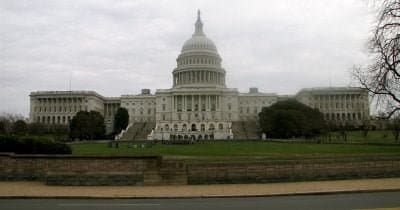
Recent developments in U.S. congressional actions have sparked a notable reaction in the market regarding the ongoing Russia-Ukraine conflict. Reports suggest that Congress is set to enforce new sanctions against Russia, closely targeting the oil and gas sectors that are vital in financing Russia's military operations. As these legislative measures align with an ongoing military occupation of roughly 20% of Ukraine by Russia, market confidence in a ceasefire agreement by the end of 2026 has declined.
The probability of achieving a ceasefire has dropped from 40% to 39%, according to current market pricing. This subtle yet significant change reflects a growing skepticism among market participants, who interpret the impending sanctions as an indication of a protracted conflict rather than a pathway to peace. The trading sentiment around such geopolitical events serves as a barometer for investor expectations and can lead to shifts in asset allocations across various sectors.
Impact of Sanctions on Energy Sector
The primary focus of the new U.S. sanctions is squarely on Russia's energy sector, aiming to cripple a crucial revenue stream that supports its military activities in Ukraine. The historical pattern suggests that sanctions of this nature often exacerbate tensions rather than alleviate them, leading to further escalation in military engagements. Notable sanctions may include restrictions on oil exports or sanctions against key energy companies, effectively tightening the economic noose around Moscow.
Market Signals and Future Actions
A key aspect to watch will be the response from Russian officials, including President Vladimir Putin and Foreign Minister Sergey Lavrov, as they may seek to counteract these sanctions through both military and diplomatic channels. Observers should also pay close attention to statements from high-ranking U.S. officials, such as President Donald Trump or Secretary of State Marco Rubio, particularly regarding any mediation efforts or further punitive measures against Russia. Such actions could significantly influence market sentiment and investor strategies going forward.
In the broader context, the legislative push for increased sanctions is indicative of a systemic approach by the U.S. to exert pressure on Moscow while demonstrating a commitment to supporting Ukraine. However, the implications for energy prices and global markets could be profound, given that oil and gas markets are already sensitive to shocks. Investors may need to stay agile, adjusting their strategies amid a rapidly changing geopolitical landscape influenced by these decisions.
This content is for informational purposes only and should not be considered financial advice.