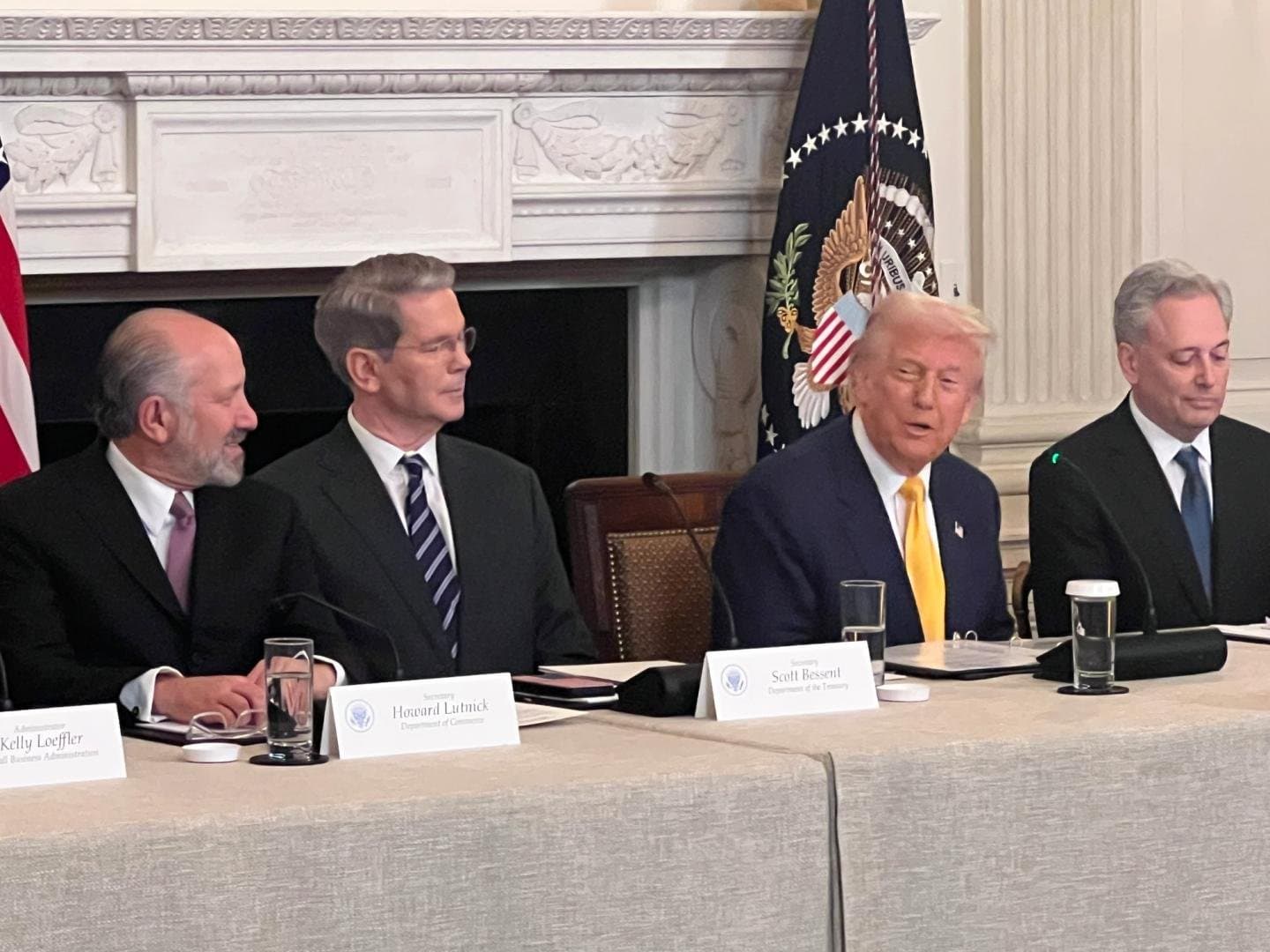
In a recent interview, Treasury Secretary Scott Bessent asserted that the entire U.S. gold stockpile, totaling 147.3 million ounces, is intact at Fort Knox. This statement came amid long-standing skepticism regarding the government’s gold reserves. Critics have expressed doubts, suggesting that recent audits and assessments lack thoroughness.
Bessent emphasized that the gold at Fort Knox, which is valued at a mere $6.2 billion on paper due to outdated federal regulations, is currently worth around $600 billion based on market prices of $4,000 to $4,100 per ounce. This disconnect between book value and market value raises questions about the transparency of U.S. financial reporting.
The Historical Context of Gold Reserves
The conversation around U.S. gold reserves is not new. Since moving to a fiat currency system in the 1970s, the necessity of gold as a backing for currency has diminished, yet the gold stored at Fort Knox remains a significant symbol of national wealth. Interestingly, no gold has officially left Fort Knox for over 50 years, which some see as a red flag for potential issues with the reserves.
Skepticism and Calls for Audits
While Bessent pointed to annual audits by the Treasury Department’s Office of the Inspector General as evidence of the reserves' integrity, these audits do not weigh every bar of gold. The last substantial verification occurred in 1974, and since then, skepticism has only grown. Lawmakers, including Representative Thomas Massie, have likened the current state of Congressional oversight to that of ancient Rome, indicating a deeper concern over accountability.
This skepticism reflects broader issues of trust in governmental institutions. With proponents of gold advocating for more rigorous audits, the demand for transparency is clear. How the government responds could set a precedent for future financial disclosures and public trust.
This piece offers insights into the U.S. gold reserves debate and is not intended as financial advice.