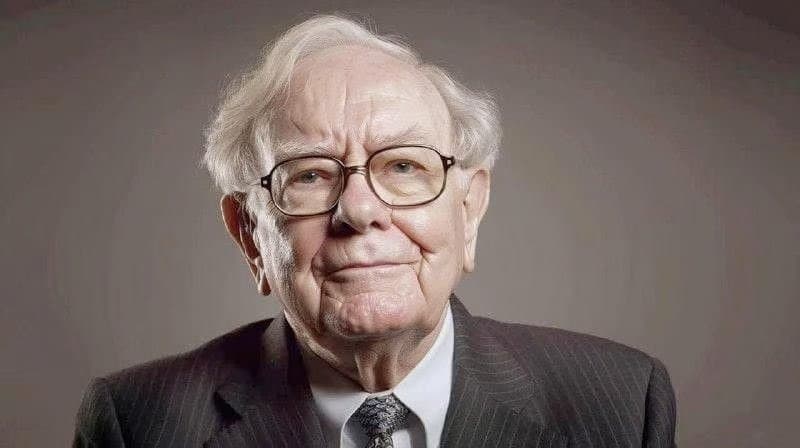
In a significant strategic move, Warren Buffett has announced plans to divest his entire stake in Berkshire Hathaway (NYSE: BRK) through a series of share donations by December 31, 2034. This decision marks a key shift in Buffett's philanthropic strategy and raises questions about the future implications for Berkshire Hathaway and its shareholders.
Buffett's Planned Donations and Their Impact
The 95-year-old investor revealed that he intends to donate his remaining holdings over the next eight years to four charitable foundations, primarily those established by his children. Buffett's choice to exclude the Gates Foundation from his annual donations, a first in two decades, signals a shift in his giving priorities, likely influenced by public scrutiny of Bill Gates' past associations.
For context, Buffett's donation of 1 million Class B shares each to the Sherwood Foundation, the Howard G. Buffett Foundation, and the NoVo Foundation, alongside an impressive 9 million shares to the Susan Thompson Buffett Foundation, reflects his strategy to allocate wealth in a way that ensures his legacy while simultaneously empowering his heirs. His earlier donations, amounting to around $320 million in shares to each of his children’s foundations, underline his commitment to an accelerated charitable giving model.
Broader Implications for Market and Investors
This announcement brings forth several implications for investors and the broader market. First, Buffett's commitment to divest his shares raises questions about Berkshire Hathaway’s future direction and stability as he has been a steadfast figure at the helm. Historically, Buffett's leadership and investment choices have greatly influenced shareholder confidence. A potential shift in executive leadership or strategy after his departure might concern investors.
Moreover, his decision to forgo donations to the Gates Foundation amidst scrutiny of its leadership may lead to increased attention on the governance of charitable organizations. Investors may consider the reputational risks associated with Berkshire's philanthropic affiliations. Buffett’s actions might encourage other high-profile donors to reconsider their charitable partnerships, thus reshaping the philanthropic landscape.
Ultimately, as Berkshire Hathaway transitions into a new era post-Buffett, stakeholders will be closely monitoring how these changes influence the company's performance and its philanthropic commitments. The outcome of these donations, particularly regarding how effectively his heirs manage them, could set a precedent for wealth distribution in the business world.
This material is informational and not financial advice.