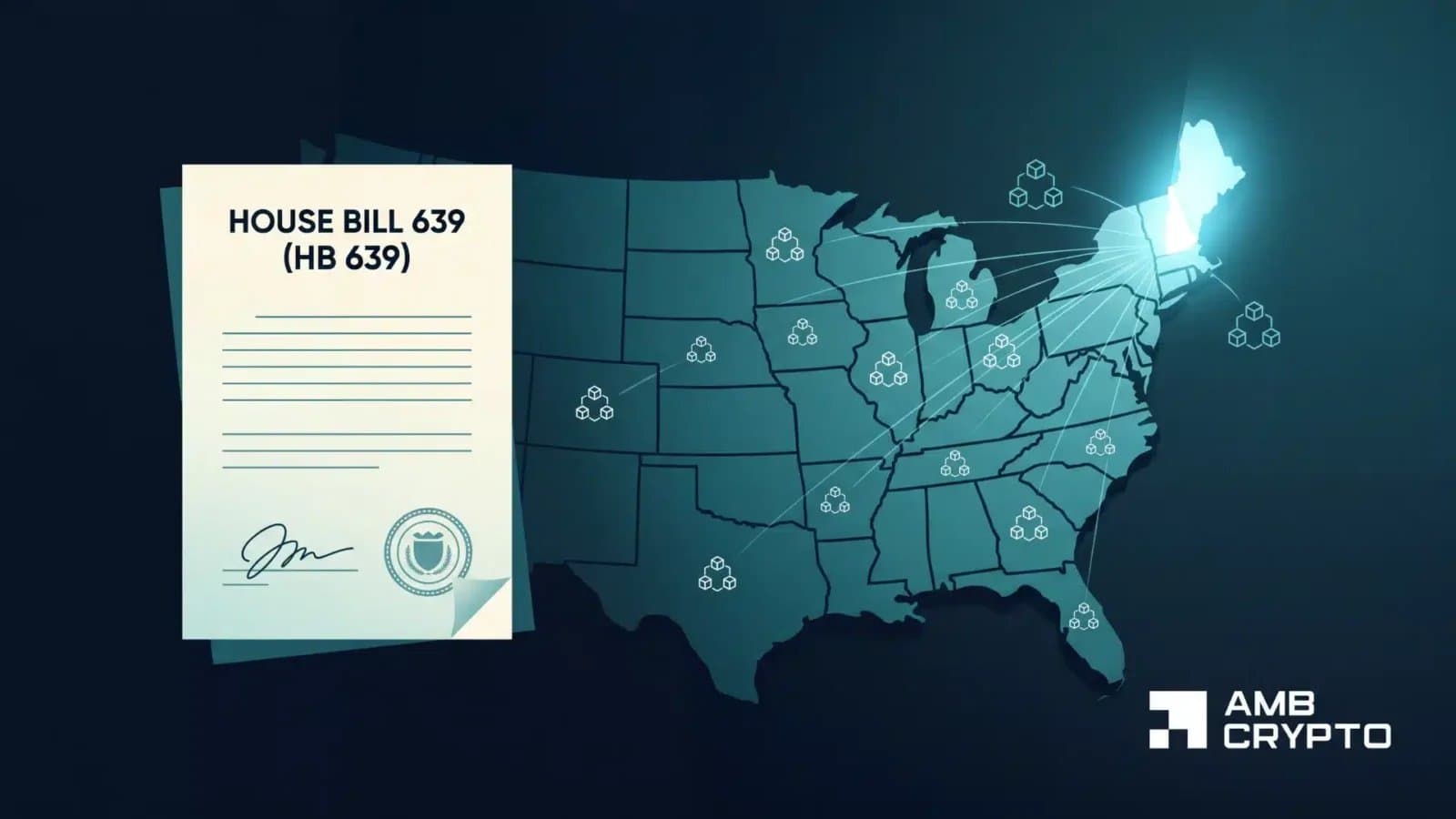
New Hampshire recently enacted the "Blockchain Basic Laws," or HB 639, signed by Governor Kelly Ayotte. This legislation, actively advocated by the New Hampshire Blockchain Council, represents a significant shift in how digital assets are regulated in the state.
At the core of HB 639 is the right for individuals to "self-custody" their digital assets. This means residents can hold cryptocurrencies in personal wallets without depending on banks or exchanges. Such autonomy not only empowers users but also aligns with growing trends favoring decentralized finance and user control.
Legal Protections for Blockchain Activities
The law also safeguards citizens' rights to transact with cryptocurrency for legitimate purchases without any government interference. Moreover, it protects blockchain operators from being misclassified under regulations meant for traditional financial institutions. Activities like node operation, mining, or staking will not be automatically treated as "money transmission" or "securities" under this new law.
Additionally, HB 639 establishes a "Blockchain Dispute Docket," a specialized legal track designed to expedite blockchain-related lawsuits. This initiative is crucial for creating a more predictable legal environment for blockchain ventures, which can face unique challenges compared to conventional businesses.
Keith Ammon, President of the New Hampshire Blockchain Council and a key advocate for the legislation, emphasized that this law reaffirms the state's commitment to being at the forefront of blockchain innovation. His comments highlight New Hampshire's ambition to attract entrepreneurs and investors, reinforcing a narrative that positions the state as a friendly environment for blockchain initiatives.
This legislative move follows the earlier establishment of a Strategic Bitcoin Reserve, allowing state treasurers to invest public funds in Bitcoin. Together, these actions signal a determined effort by New Hampshire to embrace digital assets, indicating a transformative approach that may encourage broader adoption of blockchain technologies.
As New Hampshire contemplates allowing up to $100 million in taxable revenue bonds for Bitcoin purchases linked to CleanSpark, the state showcases how innovative financing solutions can transcend traditional debt and equity markets.
This article serves as informative content and should not be taken as financial advice.