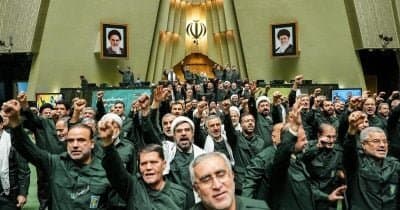
Following a fragile memorandum of understanding (MoU) aimed at preventing further conflict, Iranian lawmakers have now called for revenge against the United States. This shift is particularly significant as it comes just weeks after a 60-day ceasefire was initiated in June 2026, which included promises of sanctions relief. The current situation suggests that the ceasefire is faltering, raising alarms about the stability of both the MoU and the ongoing diplomatic efforts.
Escalating Tensions and Internal Pressures
The Iranian lawmakers' statement signifies a hardening of attitudes within Iran's political landscape. It reflects mounting internal pressure to abandon peaceful negotiations with the US, suggesting that factions within the government may be prioritizing retaliation over diplomacy. This development could undermine the fragile ceasefire and lead to renewed hostilities. The MoU, which was intended to stabilize relations, now appears increasingly precarious as military actions threaten its viability.
Market Implications and Future Outlook
Market analysts are observing decreased confidence in the prospects of the Iran Reconstruction Funding being included in any potential US-Iran deal. The geopolitical landscape is shifting, and the uncertainty surrounding the MoU is likely to influence investor sentiment. As the likelihood of a comprehensive agreement diminishes, any further military actions or breakdowns in diplomacy may exacerbate tensions. Observers will be closely monitoring how the US and other international actors respond to Iran's hardline stance, as this will significantly impact the stability of the ceasefire and the potential for future negotiations. The implications for global markets could be profound, particularly if military engagements escalate.
This article is for informational purposes only and does not constitute financial advice.