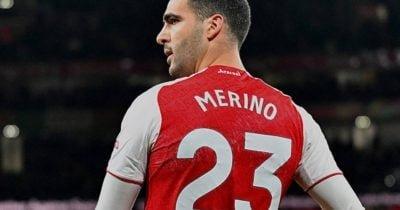
Mikel Merino's recent performance at the 2026 World Cup showcases football's ability to hold viewers' attention while also introducing new dynamics in the cryptocurrency sector. His stoppage-time goal against Belgium not only secured Spain a spot in the semifinals but also placed a spotlight on the intersection of sports and crypto, particularly with the ongoing FIFA tournament.
By finding the net precisely when it mattered, Merino reaffirmed his status as a clutch player. Completing a comeback for Spain, his efforts paved the way for a high-stakes semifinal against France, creating further anticipation among fans and potential investors alike. This performance not only captivates football audiences but is also likely to spark interest in crypto markets through fan tokens and sponsorship deals.
The Impact of FIFA's Crypto Partnership
The announcement of Kraken as the Official Crypto Exchange Supporter of the World Cup marks a historic shift in FIFA's sponsorship landscape. Traditionally, World Cup sponsors have included companies from more conventional sectors such as energy drinks and automotive brands. However, integrating a crypto exchange like Kraken signifies a growing recognition of cryptocurrency's role in mainstream commercial strategy.
While the visibility gained through such a partnership can reach billions of viewers, actual adoption by consumers remains to be seen. Brand recognition does not automatically convert into user engagement or trading activity. How Kraken leverages its visibility during this globally watched event could set important precedents for future collaborations between sports and crypto.
The Contrast of Speculation and Structured Partnerships
In direct contrast to the institutional backing of Kraken, the emergence of speculative tokens like $MERINO further complicates the landscape. With a market cap of about $2,400 and negligible trading volume, $MERINO represents the risks inherent in the cryptocurrency market where excitement is often disconnected from intrinsic value.
This situation is reflective of broader trends within the crypto space, particularly with the rise of fan tokens and their varying degrees of legitimacy in the eyes of investors. As cryptocurrencies begin to play a more visible role in sports, a clear distinction between reliable partnerships and speculative ventures must be established.
As Spain advances in the tournament, and with the changing dynamics of sponsorships, the implications for crypto markets, especially surrounding fan engagement and investment behaviors, could be significant. Onlookers will be watching closely to see whether this heightened interest translates into sustained engagement or just another fleeting buzz.
This material is for informational purposes and should not be considered financial advice.