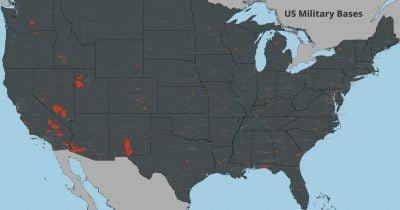
The recent drone and missile strikes by Iran’s Islamic Revolutionary Guard Corps (IRGC) against US military bases in Bahrain and Kuwait have sent ripples through the cryptocurrency markets. The strikes, which occurred in early July 2026, elicited a risk-off sentiment among investors, leading to a noticeable decline in Bitcoin’s value. Understanding the implications of these geopolitical tensions is crucial for market participants, as they can adversely affect not only energy prices but also the broader crypto landscape.
Why This Situation Matters to Investors
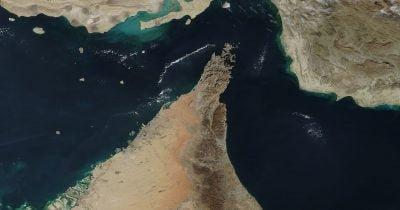
The significance of these events cannot be overstated. With the Strait of Hormuz being a critical chokepoint for global oil supply, any military escalation in this region directly influences energy markets and, consequently, the financial stability of various assets. Here are some key points regarding the situation:
- Iran's IRGC conducted strikes targeting US military installations in two key Gulf states.
- Most of the incoming projectiles were successfully intercepted, minimizing damage to US facilities.
- Approximately 20% of the world’s traded oil passes through the Strait of Hormuz, heightening global risk exposure.
Historical precedence suggests that heightened geopolitical risk typically drives investors away from volatile assets like cryptocurrencies. The recent movements mirror behaviors seen during prior crises, such as the onset of the Russia-Ukraine conflict in 2022, where Bitcoin experienced significant sell-offs before recovering once immediate threats subsided.
Market Dynamics and Future Outlook
In addition to fluctuating Bitcoin prices, one must keep an eye on the impact of oil prices. A sustained increase in crude oil prices, resulting from ongoing tensions in the region, could resurrect inflationary pressures that complicate monetary policy and affect liquidity in the markets. Higher energy costs generally unfold in a manner that spirals into inflation expectations, making crypto assets less appealing in the eyes of risk-averse investors. This observable pattern highlights the interconnectedness of traditional asset classes and cryptocurrencies.
What to Watch Going Forward
Looking ahead, traders should monitor two critical factors: the trajectory of oil prices and ongoing geopolitical developments in the Gulf region. Continuous unrest could exacerbate market volatility, and the déjà vu of responding to rapidly changing global situations might play out once again in crypto prices. As such, investors should remain vigilant as these dynamics unfold.
This material is for informational purposes only and is not financial advice.