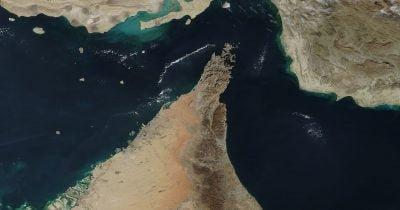
The Strait of Hormuz, a critical artery for global oil transportation, has effectively transformed from a bustling thoroughfare into a near-standstill zone due to escalating tensions between the US and Iran. This drastic reduction in maritime traffic poses significant implications not only for the oil markets but also introduces the potential for cryptocurrency solutions amidst traditional financial restrictions.
Understanding the Broader Impacts of the Crisis
The events unfolding in the Strait of Hormuz are emblematic of how geopolitical tensions can ripple through global markets. The strait currently facilitates around 20% of the world's oil and LNG shipments, making its functionality paramount not only for suppliers and shipping companies but also for consumers dependent on these energy resources. Recent statistics are telling:
- Daily vessel traffic has plummeted from over 100 ships to as few as 12.
- Major shipping lines like Maersk and Hapag-Lloyd have suspended operations.
- Brent crude oil prices have surpassed $100 per barrel.
This critical reduction in shipping traffic sharply contrasts with previous norms and highlights the extraordinary risks in the region that can affect global oil supply chains.
Market Reactions and Cryptocurrency Opportunities
The oil market has already begun to feel the repercussions, with Brent crude's recent spike indicating a tense anticipation among traders regarding supply disruptions. This dramatic price increase suggests that market conditions may linger at elevated levels, especially considering the history of prolonged supply interruptions in response to military escalations. The ongoing shipping crisis has made transit by sea too risky, forcing ships to take longer, more expensive routes around the Cape of Good Hope.
In this context, Iran's exploration of Bitcoin-based settlements, through a platform dubbed “Hormuz Safe,” stands out as a pivotal development. With sanctions limiting Iran's access to conventional banking systems, leveraging cryptocurrency for maritime insurance and transit fees could provide a much-needed alternative. This move essentially bypasses the financial barriers that sanctions have erected, creating the potential for a paradigm shift in how maritime costs are managed.
Looking Ahead: What’s Next for Investors and Markets?
As the situation continues to evolve, several key questions arise. How will further military actions impact shipping lanes? Will oil prices stabilize, or are there expectations of sustained volatility? Additionally, can Iran's potential adoption of Bitcoin for its maritime needs signal broader shifts towards cryptocurrency utilization in global trade, especially within nations facing heavy sanctions?
Investors must remain vigilant, aware of the fluctuations in both oil prices and developments in crypto-related solutions that could emerge from geopolitical tensions. The intersection of these fields merits close observation in the coming months, as it could redefine traditional investment paradigms in highly volatile markets.
This material is for informational purposes only and does not constitute financial advice.