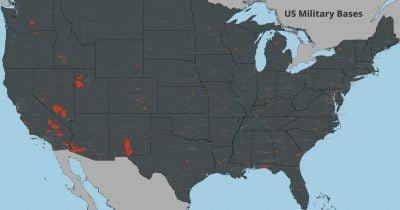
The recent missile and drone attacks launched by Iran against US military installations in the Gulf mark a crucial turning point in the ongoing geopolitical tensions that have implications for both the oil and cryptocurrency markets. On July 9, 2026, Iranian forces targeted key US military assets in Bahrain, Kuwait, and Qatar, effectively escalating a situation that has been brewing since the beginning of the year. The attacks appear to be a direct response to US airstrikes that have exacerbated an already precarious situation.
Understanding the Impact of Iran's Actions
This latest round of military conflict is unprecedented in both its scale and its implications. Notably, it demonstrates a strategic shift from isolated skirmishes to a coordinated assault on multiple fronts. Iran's Revolutionary Guard targeted not just individual bases but the entire framework of US military presence in the Gulf. This signals a more aggressive posture and raises questions about future engagements in the region.
- Iran's attacks comprised strikes against Patriot air defense systems and fuel depots.
- The conflict escalated after a three-week ceasefire that collapsed following US declarations.
- Iran reportedly noted intelligence gathering on US military assets prior to its strikes, showcasing operational planning.
The implications for the oil markets are already evident. With tensions heightened in a region that is crucial for global oil supply, investors will likely see price volatility. Historical patterns suggest that past military conflicts involving Iran have led to price increases in crude oil, reinforcing the link between geopolitical stability and oil market dynamics.
Ripple Effects on Cryptocurrency Usage
While the oil markets respond to direct geopolitical pressures, the cryptocurrency markets are beginning to feel the strain as well. As Sanctions against Iran tighten in response to the military escalation, an increased reliance on digital assets has been noted among Iranian entities. This trend not only emphasizes the adaptability of such actors in navigating economic restrictions but also raises concerns among regulators.
This duality could lead to stricter regulatory measures targeting cryptocurrency exchanges and cross-border transactions in an effort to curb sanctions evasion. As seen in past instances, US regulators have leveraged such situations to impose stricter controls on digital asset transactions, which could create a chilling effect that impacts investors and market dynamics.
Looking Ahead: Market Reactions and Future Developments
As this situation continues to unfold, several key factors warrant close attention:
- The positioning of US military assets in the Gulf and any potential retaliatory actions from either side.
- How the oil markets will react to sustained military tensions and whether prices will surge.
- The ongoing adaptation of Iranian entities utilizing digital currencies to circumvent sanctions and its impact on cryptocurrency regulatory frameworks.
This series of events is likely to shape not only the regional geopolitical landscape but also the broader economic landscape, particularly in cryptocurrency and oil markets. Investors should be prepared for increased volatility and possible regulatory changes in response to these developments.
This material is for informational purposes only and is not financial advice.