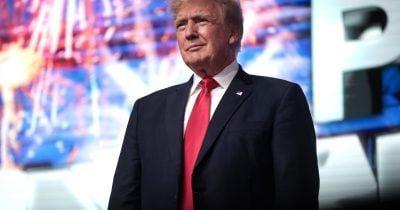
Lindsey Graham, a prominent figure in American politics and a staunch supporter of Israel, continues to significantly impact the U.S. stance on Palestine, particularly in the context of rising geopolitical tensions in the Middle East. His unwavering advocacy for policies that favor Israel, such as the relocation of the U.S. embassy to Jerusalem, has solidified a narrative that may hinder the recognition of Palestine before 2027. Despite rumors surrounding his well-being, Graham remains influential, engaging in diplomatic discussions and military support initiatives during his visits to Israel. His recent meetings with Israeli Prime Minister Benjamin Netanyahu reinforce the existing U.S. commitment to Israel, deepening the delineation between the two nations in a volatile region.
The broader implications of Graham's policies are reflected in the current market perceptions and the general climate of international relations. As observers sift through the implications of U.S. foreign policy, it becomes apparent that Graham's influence correlates with a notable decrease in the likelihood of U.S. recognition of Palestine. This trend reflects adjusting market sentiments that are shaped by the ongoing conflict between Israel and Hamas, as well as escalating tensions with Iran and Hezbollah. The complex interplay of these factors highlights the fragility of peace in the region and the impact that political machinations in the U.S. can exert on the Middle East.
In light of this, it is crucial for market watchers and political analysts to remain vigilant regarding any shifts in U.S. foreign policy. The dynamics may change based on domestic political pressures or international developments, including potential congressional resolutions or diplomatic overtures aimed at recalibrating relations with Palestine. As key figures like President Joe Biden express their positions on the matter, the backdrop of the Israel-Hamas conflict and the ongoing U.S.-Iran disagreements will further inform the market's response to U.S. foreign policy. These developments could have profound ramifications for investors and stakeholders engaged in Middle Eastern affairs and beyond.
This material is informational and should not be considered financial advice.