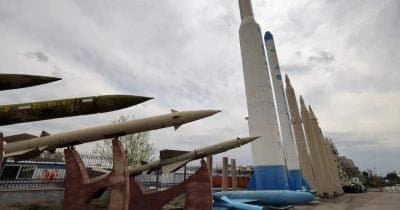
Iran’s recent missile and drone attacks targeting Gulf nations, including strikes on U.S. aircraft and oil tankers, represent a sharp escalation in regional hostilities. These actions align with Tehran’s long-term objective of asserting control over the Strait of Hormuz, a critical chokepoint for global oil shipments. The timing follows U.S. airstrikes on Iranian military installations, signaling a tit-for-tat dynamic that increases the prospect of sustained conflict across the Gulf.
Market participants are interpreting these developments as a clear signal of intensified Iranian military engagement. Prediction markets priced a 63.5% probability for further Iranian actions against Gulf states by July 22, reflecting heightened geopolitical risk premiums. Such volatility in the region threatens to disrupt energy supply chains and elevate insurance costs for shipping, potentially driving up global oil prices and impacting inflation expectations worldwide.
Implications for Regional and Global Markets
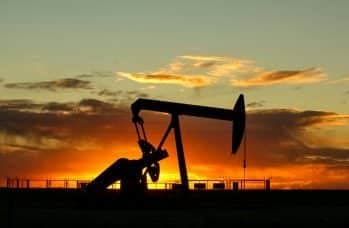
The Strait of Hormuz accounts for roughly 20% of global petroleum trade, so any disruption reverberates far beyond the Gulf. The attacks on U.S. military assets and commercial vessels highlight the fragile balance that maintains open navigation in this corridor. Investors and traders must now weigh the risk of a broader conflict that could escalate into a blockade or targeted sanctions, severely impacting oil export volumes.
For cryptocurrency and alternative finance markets, increased instability in the Gulf often triggers a flight to decentralized assets perceived as safe havens, such as Bitcoin. However, rapid shifts in geopolitical tensions can also spur regulatory scrutiny, especially if sanctions regimes tighten. Monitoring responses from key actors like Iranian Supreme Leader Ali Khamenei and President Ebrahim Raisi, alongside U.S. and Gulf states’ countermeasures, will be critical for anticipating market trajectories.
Upcoming dates, particularly around July 22, serve as focal points for potential military escalations or diplomatic interventions. Any official mediation efforts or shifting rhetoric could alter market sentiment quickly. Traders and investors should remain alert to developments that may impact energy prices, geopolitical risk assessments, and the behavior of related asset classes.
This material is informational and does not constitute financial advice.