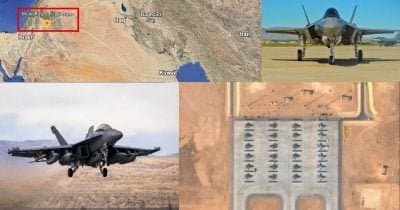
Two US service members died, one is missing, and four were wounded in Iranian missile and drone assaults on Jordan's Muwaffaq Salti airbase on July 18, 2026.
This base, about 100 km east of Amman, supports joint US-Jordanian military operations but had so far avoided direct Iranian attacks.
The strike, part of Iran's “Nasr 2” campaign targeting US-linked sites across the Middle East, represents a new escalation with Iran openly claiming responsibility instead of acting through proxies.
Video footage shared by Iranian state media shows explosions and damage to infrastructure and aircraft on the base, underscoring the attack's severity.
This event recalls the January 2024 drone strike on Jordan's Tower 22 that killed three US personnel and triggered US retaliatory strikes in Iraq and Syria, but the current case marks Iran's direct involvement, heightening the geopolitical risk.
Jordan has been considered a stable US ally in the region, making this attack a rare breach of relative calm and raising stakes for US foreign policy responses.
The missing service member creates additional uncertainty, potentially increasing pressure on Washington to escalate militarily depending on whether that person was captured, killed, or remains missing in contested territory.
The implications for markets are channeled primarily through energy prices. Disruptions in Middle Eastern oil flows tend to push prices higher, exacerbating inflation pressures globally.
Higher inflation expectations influence the Federal Reserve's interest rate trajectory, increasing the likelihood of prolonged higher rates.
This scenario tightens liquidity conditions, which typically dampens capital inflows into risk assets like Bitcoin and Ethereum, as investors seek safety amid rising costs of capital.
The attack disrupts an already fragile market environment, making volatility spikes in crypto and broader risk markets more probable.
This material is for informational purposes and not financial advice.