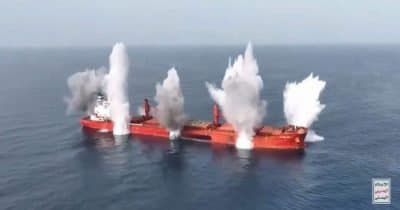
Missile and drone strikes linked to the Iran conflict have expanded their reach into Gulf Cooperation Council (GCC) states, directly targeting critical infrastructure and heightening regional instability. These attacks mark a troubling shift, as Gulf countries increasingly bear the brunt of retaliatory actions tied to broader Middle East tensions involving Iran, the United States, and Israel.
This escalation is not isolated. The complexity deepens with Russia’s prolonged occupation of Ukrainian territories and recent leadership changes in Kyiv, which suggest strategic recalibrations amid ongoing hostilities. Market observers are beginning to connect these seemingly separate conflicts, noting that intensifying Iran-related violence may coincide with more assertive Russian military moves, such as the potential entry into key Ukrainian cities like Sloviansk by the end of 2026.
Regional Ripple Effects and Global Geopolitical Entanglements
The implications for investors and markets are multifaceted. GCC states have traditionally been viewed as relatively stable hubs for investment and energy production. However, the targeting of their infrastructure disrupts this narrative and injects uncertainty into energy markets, which are highly sensitive to Middle East volatility.
Meanwhile, the Ukraine conflict adds another dimension to risk assessments. The alignment of increased military pressure from Russia with heightened Middle Eastern instability could strain global supply chains and energy prices further, creating unpredictable market dynamics. The shifts in Ukraine’s leadership hint at possible changes in military strategy, which could interact with broader geopolitical maneuvers related to Iran’s conflict.
Investors tracking these developments should watch for:
- Further missile or drone strikes in GCC countries, signaling expanding regional conflict
- Russian advances or strategic shifts in Ukraine impacting key locations like Sloviansk
- GCC political or military responses that could affect energy exports or regional alliances
These factors combined may cause a reassessment of risk premiums in related markets and influence trading strategies, especially in sectors tied to energy, defense, and geopolitical risk.
This material is informational and not financial advice.