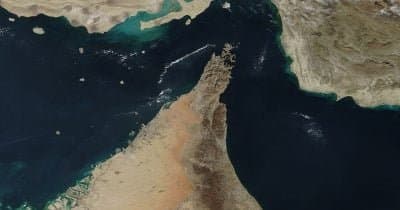
In a bold declaration, Iran has stated its refusal to pay perceived "enemies" for passage through the critical Strait of Hormuz. This decision, reported by IRNA, comes amidst heightened tensions following the recent crisis in this vital maritime corridor, where military actions by the U.S. and Israel prompted Iran to temporarily block navigation. The context is significant, as this strait is a crucial point for global oil shipments, and any disruptions here can have a ripple effect on international markets.
As the interim ceasefire that allowed free passage for commercial vessels nears its expiration, Iran's position signals a resistance to external pressures. The nation plans to introduce its own transit fees, reflecting a shift towards regulatory self-determination in a region often influenced by foreign powers. This could imply that Iran is seeking to establish itself as a more autonomous player in regional maritime trade and may affect shipping costs significantly.
The financial markets have already started reacting to Iran's refusal, with a notable decline in the forecast that these fees would be implemented by July 15. Currently, the likelihood stands at a mere 3%, down from 4% the previous day. Such a decrease suggests that investors are anticipating potential delays or even a complete cancellation of the fee structure that Iran aims to establish.
Looking ahead, the potential for Iran to charge fees by August 31 is assessed at 42%, indicating a more uncertain yet slightly optimistic outlook compared to the immediate deadline. As for fees being implemented by October 31, the market is more hopeful, pricing in a 56.5% likelihood. These shifts in market pricing reflect a complex interplay of expectations that could change with any new developments or announcements from the Iranian government.
In this context, it will be crucial to keep an eye on any updates from Iranian officials or the Islamic Revolutionary Guard Corps (IRGC) regarding their fee plans. Developments in U.S.-Iran negotiations or actions taken by regional players such as Oman could also significantly shape these expectations. Observers should also watch for any legislative movements within Iran that might formalize or even postpone the fee collection process, as these factors will undoubtedly influence market sentiment in the ensuing weeks.
This material is informational and should not be considered financial advice.