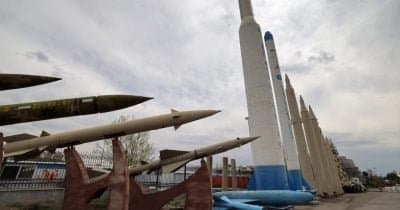
In a startling turn of events, Iran has launched missile strikes targeting Jordan, an act described as a significant escalation in the ongoing conflict that has engulfed the region in 2026. This development follows a failed ceasefire earlier in the year and comes as Iran retaliates against Jordan for hosting U.S. military forces, despite the latter's claim of neutrality in the matter. Such military aggression not only threatens Jordan's security but also disrupts the delicate balance of power in the region.
The implications for diplomatic relations are profound. Recent market predictions have reflected a shift in sentiment regarding the likelihood of a U.S.-Iran deal, particularly concerning the inclusion of reconstruction funding for Iran, which has now dropped to a mere 26%. This decline signals growing skepticism among market participants about the feasibility of reaching any diplomatic resolutions in an environment marked by escalating military confrontations. The increased tension may hinder negotiations further, creating a cycle of aggression and retaliation.
Additionally, the ramifications extend to other regional players. The probability of Israel engaging in military actions against multiple countries has surged to 50%, indicating that the conflict could widen beyond Iranian borders. As the situation develops, observers will be closely monitoring potential statements from key figures, including Donald Trump and Javad Zarif, which may offer insights into the evolving diplomatic landscape. The involvement of mediators from Qatar and Pakistan could also be crucial in shaping the course of negotiations.
As such, this escalation raises critical questions about future stability in the Middle East. Continued military actions may not only hamper potential diplomatic efforts but could also reshape market dynamics related to defense, reconstruction, and geopolitical risk. The ongoing conflict could thus set the stage for a volatile environment that investors must navigate with caution.
This article is informational and not financial advice.