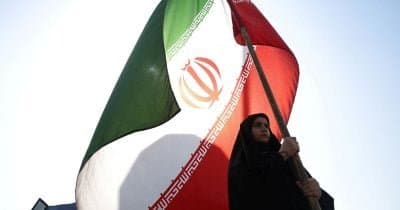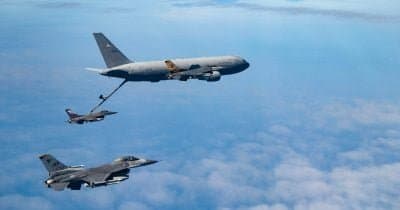
The recent Iranian attack on a U.S. military base in Kuwait, which resulted in the deaths of six soldiers and injuries to over 30 others, has raised serious concerns about the effectiveness of intelligence and military preparedness. Survivors of the incident have alleged that prior warnings about the base being a probable target were ignored by the leadership, leading to a devastating drone strike on March 1. This incident not only underscores the vulnerabilities of U.S. military operations in the Gulf region but also marks a significant escalation in hostilities between Iran and the United States.
Context of the Attack
The attack at Port Shuaiba is set against a backdrop of increasing tensions between Iran and Gulf states allied with the U.S. The allegations of ignored warnings suggest systemic issues within military command structures, raising questions about accountability and operational protocols. If the leadership indeed overlooked actionable intelligence, this could indicate a broader pattern of mismanagement that may have dire consequences not only for U.S. troops but also for regional stability.
Market Implications
Market reactions following the attack have shown a marked increase in the perceived risk associated with U.S. operations in the Gulf. Analysts have noted that pricing reflects fears of further Iranian military actions, with expectations of heightened volatility in the region. The probability of escalated conflict as of July 12 has surged, indicating that traders are bracing for potential retaliatory measures or additional strikes. This situation may complicate U.S. foreign policy and military strategies in the Gulf, as the need for a robust response to Iranian aggression could escalate military deployments or alter diplomatic approaches.
What’s Next?
The focus now shifts to how U.S. military and government officials will respond to the allegations of ignored warnings. Official statements and potential shifts in military strategy will be closely monitored. Additionally, any new military actions by Iran could further influence market sentiments and perceptions of risk. Iran's strategic decisions and its diplomatic interactions with both Gulf states and the U.S. will be critical in shaping the near-term outlook on conflict escalation. A stable response strategy will be imperative to mitigate risks associated with further confrontations.
This article is for informational purposes only and is not financial advice.