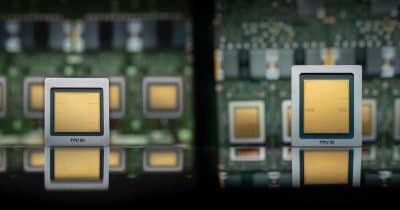
Alphabet Inc. is reportedly intensifying its competitive stance against Nvidia by offering its Tensor Processing Units (TPUs) to external clients, marking a departure from its previous policy of limiting TPU access to its own facilities. This shift not only reflects a strategic pivot but also places Google in direct competition with Nvidia, particularly targeting its customer base which includes major players like Meta and Anthropic.
The implications of this maneuver are significant. By presenting TPUs as a more cost-effective and efficient alternative to Nvidia's products, Google aims to erode Nvidia's established dominance in the AI chip sector. The agreements with Meta and Anthropic indicate that Google is not merely testing the waters; it is taking decisive steps to carve out a share of the lucrative AI hardware market.
Market reactions have been telling, with Nvidia's stock witnessing a decline. This decline suggests that investors are starting to recognize the potential threat posed by Google's newfound strategy. The competitive landscape in the AI chip market could undergo a substantial transformation if Google successfully attracts Nvidia's clients, thus affecting Nvidia's market loyalty and sales.
Future Insights
As Alphabet prepares to release its upcoming financial disclosures, stakeholders will be closely watching for indicators of growth in AI-related revenues. Any evidence that Google's TPUs are being embraced by major customers could reinforce Alphabet's position and alter market capitalizations. The developments surrounding partnerships with Meta and Anthropic will also be pivotal, as they could influence not only investor sentiment towards Google but also the broader dynamics within the AI technology space. This strategy, if successful, could elevate Alphabet's standing in the market, potentially positioning it as the second-largest company by market cap.
This content is informational and should not be construed as financial advice.