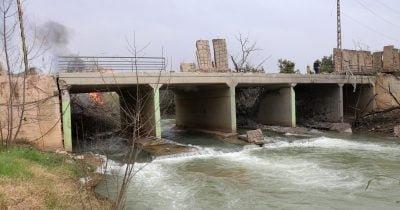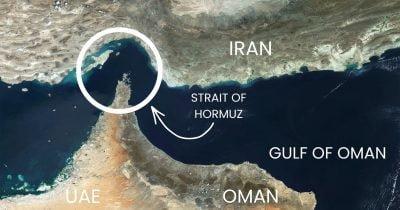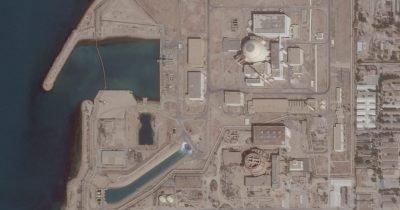
The recent reports of projectile strikes on military sites in Bushehr, Iran, have not only heightened geopolitical tensions but also caused a significant ripple effect in the cryptocurrency markets. Following these developments, Bitcoin plummeted from just over $73,000 to around $61,688, marking a sharp decline of approximately 15%. This downturn is emblematic of a broader risk-off sentiment that has gripped investors amid escalating fears of conflict in the region.
The strikes, reportedly targeting critical military installations near Iran's sole operational nuclear power plant, have sent shockwaves through global financial markets, triggering nearly $1 billion in liquidations in the crypto space alone. Such a rapid liquidation indicates that many leveraged traders were caught unprepared for the sudden market shift, as cascading sell orders exacerbated the decline across major cryptocurrencies, including Ethereum and other altcoins.
This incident underscores the significant interconnectivity between geopolitical stability and financial markets. Iran's role as a critical oil producer means that any disruption to its energy infrastructure can lead to higher crude oil prices. This, in turn, feeds into inflationary pressures, complicating the monetary policies of central banks worldwide. Thus, the implications of the Bushehr strikes extend far beyond immediate market reactions; they could lead to a tightening of financial restrictions and increased scrutiny on cryptocurrencies, as authorities may view them as tools for sanction evasion.
Moreover, the pattern of escalating military actions, as observed since the earlier strikes in April 2026, suggests a troubling trend for investors. The previous incident, which resulted in a smaller market dip, set a precedent that may now be repeating, indicating intensifying conflict rather than de-escalation. As the situation evolves, crypto investors must remain vigilant, considering how these geopolitical dynamics could further impact market sentiment and regulatory scrutiny.
This material is for informational purposes only and should not be considered financial advice.