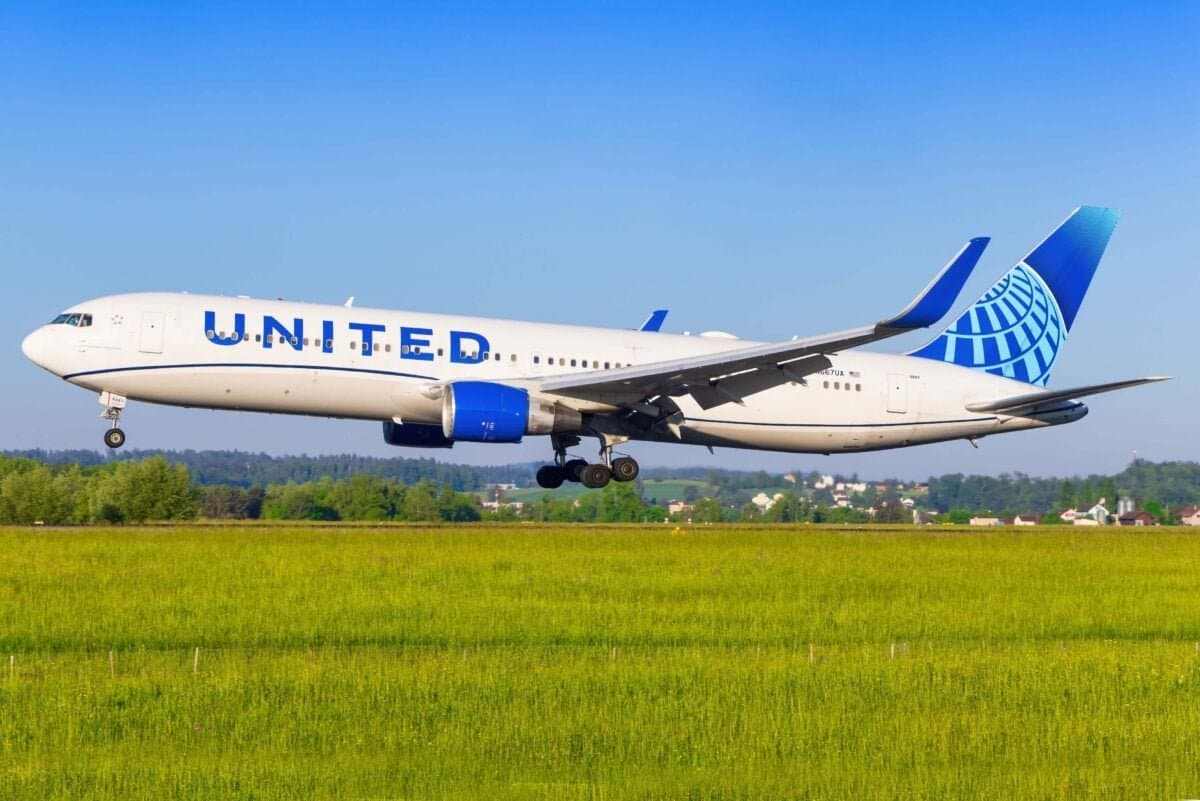
United Airlines (UAL) shares dropped by 2.5% in pre-market trading on Thursday following their Q2 earnings report, which ignited a sell-the-news reaction among investors. Despite surpassing expectations with an adjusted EPS of $1.99 against a forecast of $1.88, and revenue of $17.67 billion exceeding the $17.61 billion estimate, the company's future guidance raised concerns.
The core issue for investors was the Q3 earnings guidance, which projected adjusted EPS between $2.50 and $3.50, falling short of the $3.60 consensus from analysts. This discrepancy triggered early selling pressure, overshadowing the positive earnings report. The steep rise in fuel costs, which surged 84% year-over-year to $2.3 billion in Q2, compounded these concerns, as United now estimates an additional $6 billion in fuel expenses for the full year.
The Impact of Rising Fuel Costs
United’s ability to recover from these rising fuel expenses remains a key focus. For Q3, the airline anticipates recovering 80% to 90% of the increased costs, with full recovery projected by Q4. However, the substantial hike in expenses poses a significant risk that could disrupt financial stability. In contrast, while United's adjusted EPS guidance for the year has been raised to a range of $9.00 to $11.00, the consensus estimate for the year sits at $10.47.
Notably, United's net income declined more than 17% year-over-year, and free cash flow saw significant contraction, further compounding investor worries about the company’s ability to navigate the current economic climate. This trend is reflective of broader industry challenges; for instance, Delta Air Lines recently announced its highest quarterly fuel expense in history, also experiencing stock declines despite meeting earnings expectations.
FAA Regulations and Competitive Positioning
Compounding these financial issues is the regulatory environment. United is facing growth limitations imposed by the FAA at key hubs like Newark, Chicago O’Hare, and San Francisco. These caps could restrict the airline's capacity to expand its fleet in response to rising demand, potentially hindering its recovery efforts.
On a more positive note, revenue growth across various segments is promising. United reported increases in premium airfare revenue by 16%, basic economy by 11%, loyalty revenue by 11%, and cargo revenue up 23%. Additionally, United is ahead of its U.S. competitors in installing Starlink on its fleet, currently outfitting 450 of its aircraft with plans for full integration by the end of 2026.
In summary, the interplay of soaring fuel costs, regulatory challenges, and uneven earnings guidance paints a mixed picture for United Airlines as it navigates the complex landscape of the airline industry.
This material is for informational purposes only and should not be considered financial advice.