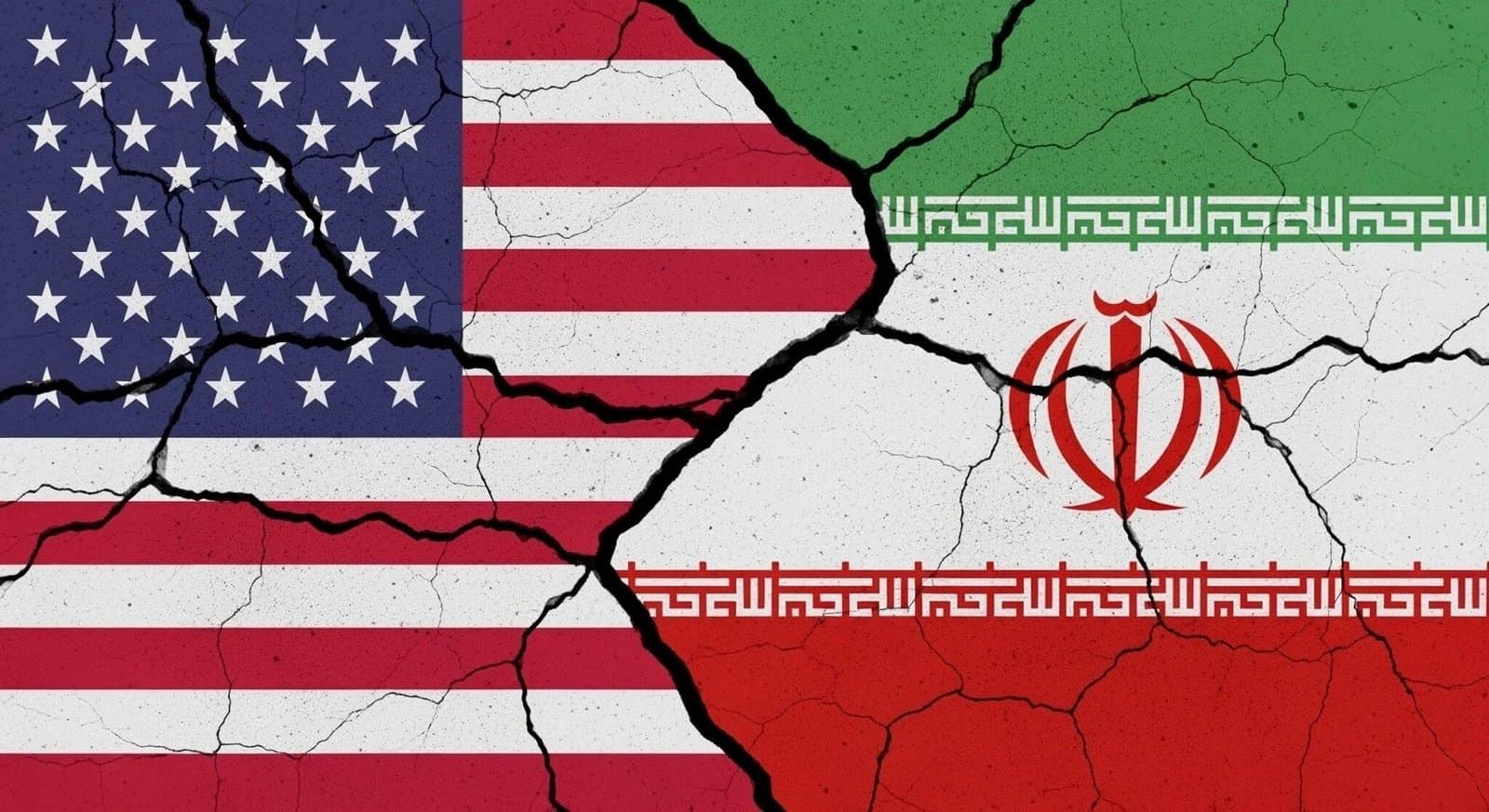
The recent military strikes by the U.S. on Iranian military sites highlight a critical escalation in the ongoing conflict in the Strait of Hormuz. Reports confirm that U.S. forces targeted facilities near Bandar Abbas and launched missiles against the Iranian supertanker Belma, raising serious concerns for global shipping routes and the stability of oil markets.
Military Actions and Their Implications
The U.S. military's actions, including the destruction of the Belma, a sanctioned tanker near Iran’s primary oil export terminal, signal a shift in strategy. This event marks the first time the U.S. has targeted a vessel since reimposing its blockade on Iranian shipping. Analysts suggest that this could indicate an attempt by the U.S. to expand its operational range beyond the Strait of Hormuz, potentially impacting a broader swath of maritime commerce.
With approximately 20% of the world's oil passing through this narrow strait, any disruption could lead to significant price volatility in global oil markets. Such military engagements not only threaten the direct shipping activity but also have a ripple effect, impacting oil prices globally.
The Political Ramifications of Ongoing Strikes
President Trump has been vocal about continuing military pressure on Iran, asserting that the strikes will persist until Iran agrees to negotiate a deal. In recent interviews, Trump indicated that negotiations could include discussions about Iran's nuclear capabilities, implying a possible expansion of military campaigns targeting strategic locations linked to Iranian nuclear activities. As the situation develops, the possibility of ground forces being deployed to seize Iranian islands near the Strait has emerged as an option.
Consequently, this military strategy reflects a hardline approach to U.S.-Iran relations, reminiscent of earlier interventions in the region. Trump's commitment to a potential offensive raises questions about the stability of diplomatic efforts moving forward. It positions the U.S. as a key player not just in terms of military power but also in negotiations concerning energy security and regional alliances.
Global Economic Risks and Future Prospects
The International Energy Agency (IEA) has warned that without a resolution in the Hormuz conflict, the global economy could face severe repercussions within weeks. Investors should closely monitor these developments, as fluctuations in oil supply could lead to increased prices at the pump and higher costs for consumers. These events may also spark renewed interest in alternative energy sources as countries look to mitigate risks associated with reliance on oil passing through contested waters.
This analysis serves as informational content and should not be considered financial advice.