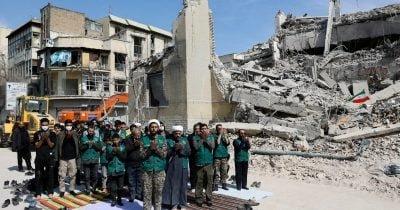
Iran has escalated its military actions by targeting U.S. military installations in Bahrain and Kuwait, as demonstrated by newly released footage of missile and drone strikes. This marks a significant shift in the ongoing 2026 Iran-U.S. conflict, which has seen increasing military exchanges.
The Iranian response follows U.S. airstrikes on Iranian territory that resulted in significant damage and casualties, underscoring a troubling trend of reciprocal escalations between the two nations. This latest development broadens the geographic scope of the conflict beyond previous hotspots, such as the Strait of Hormuz, and raises new concerns about regional security.
As of now, the likelihood of further Iranian military actions against Gulf states remains elevated, with predictive markets estimating a 36% chance of such occurrences by July 13. The intense military activity has dramatically increased expectations, leading to a spike in predictions of possible attacks, as evidenced by an 80% probability noted on July 12.
Going forward, investors and market participants should closely monitor any retaliatory measures from both Iran and the U.S. that could impact the odds of military engagement in the region. Additionally, responses from regional powers like Saudi Arabia and the UAE could profoundly influence market perspectives. The situation is dynamic, and diplomatic efforts from neutral entities such as Qatar or Oman could either exacerbate tensions or pave the way for de-escalation.
This material is for informational purposes only and should not be considered financial advice.