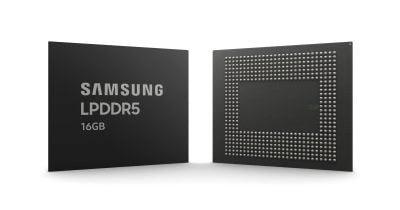
The landscape of the global memory chip market is heavily dominated by three major players: Samsung, SK Hynix, and Micron, who collectively control between 90% and 95% of the DRAM market. This oligopoly, highlighted by recent data from Counterpoint Research, is expected to persist through at least 2027, indicating a prolonged period of high market concentration. As of the first quarter of 2026, Samsung leads with a 38% share, followed by SK Hynix at 29% and Micron at 22%, leaving only a slim margin for all other competitors combined.
Recent earnings reports from Samsung have flagged significant shortages in memory products. The company’s memory chief indicated these supply constraints are likely to continue for the foreseeable future, prompting customers to reserve supplies of High Bandwidth Memory (HBM) years in advance. This shift in production focus has not only pushed prices for conventional DRAM such as DDR3 and DDR4 to soar by approximately 700% over the last four years but also raises concerns about long-term supply stability in the tech ecosystem dependant on memory chips.
A class-action lawsuit filed against these three companies accuses them of deliberate price manipulation and collusion, mirroring previous allegations of similar practices in the mid-2000s that resulted in substantial fines. If proven, the lawsuit could result in significant changes to the competitive dynamics of the memory market, possibly influencing production quotas and triggering regulatory reforms meant to enhance market fairness.
The implications of this market consolidation are particularly acute for sectors reliant on high-performance chips, particularly in crypto and AI. As highlighted in the narrative surrounding GPU rentals and decentralized computing, any disruption in the supply of HBM directly affects companies such as NVIDIA, which in turn affects all participants in the crypto economy exploring decentralized solutions throughout various industries.
This concentration of power within the memory chip sector does not only impact pricing but also the pace of technological innovation and advancements in fields that leverage AI and crypto. The limitations on supply chain resilience showcased by the current dynamics could become a roadmap for understanding vulnerabilities in the architecture of modern tech. In essence, as these memory chip makers wield significant influence over pricing and availability, their strategic decisions could ripple through the entire technological landscape, impacting everything from market valuations to innovation timelines.
This material is for informational purposes only and does not constitute financial advice.