The 2026 FIFA World Cup represents a pivotal moment for the intersection of cryptocurrency and global sports marketing. Kraken's recent deal with FIFA, which made it the first official crypto exchange supporter, signals a significant achievement in an arena where crypto has sought legitimacy and acceptance. However, early indications suggest that this partnership might not yield the expected market dynamics.
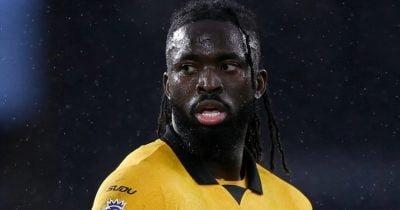
A case in point is Granit Xhaka, a player who has attracted attention during the World Cup, being involved in transfer rumors that failed to move the needle in crypto markets. Xhaka boasts Ethereum-based digital cards on Sorare and has been featured in Panini’s NFT collections. Despite this, analysts report “zero signal” regarding price movements or trading volume tied to his transfer discussions, reflecting a disconnect between sports hype and investor activity in the crypto sphere.
The dichotomy between visibility and market impact is sharply illustrated by the Kraken-FIFA collaboration. While Kraken gains international exposure, traditional sponsors like UBS maintain a stronghold over the more lucrative national team levels. The absence of crypto sponsorship at this level highlights an ongoing challenge for the crypto sector within sports marketing. As it stands, loyal fans remain tethered to conventional financial entities, limiting the immediate impact of crypto partnerships.
From an investment perspective, the lack of correlation between player performances or transfer buzz and trading volumes underscores a broader trend. Unlike previous instances of fervor surrounding crypto-sports partnerships, such as the fan token mania of 2021-2022, the current atmosphere suggests a more discernible investor base. This maturity indicates a separation between marketing hype and intrinsic value a necessary distinction as digital assets integrate further into mainstream culture.
The evident market stagnation amidst World Cup excitement indicates that while crypto's role in sports is expanding, the actual adoption remains tentative and nascent. Investors navigating this space should remain cautious, aware that promotional partnerships do not inherently translate to increased value or trading activity. In summary, traditional sponsorship models are proving resilient against crypto innovations, marking a cautious path forward for digital assets in sports.
This content is for informational purposes only and should not be considered as financial advice.