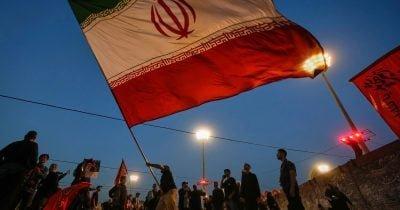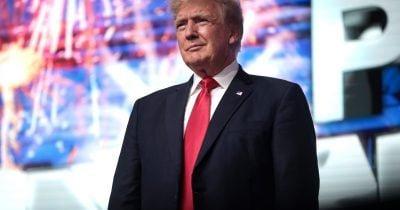
Recent developments between the United States and Iran have escalated tensions significantly, raising concerns about potential disruptions in global markets. Following President Donald Trump’s declaration on July 8, 2026, that a previously established agreement had been terminated, both nations have exchanged threats. This situation is compounded by the increasing military activities reported in the region, including a U.S. nighttime assault on targets in the Strait of Hormuz and the blockade of Iranian ports.
The Strait of Hormuz is a vital maritime route, and any significant disruption here could have global ramifications. Current market pricing indicates a notable decrease in the likelihood of traffic normalization in this critical waterway, dropping from 36% a week ago to just 22.5%. This downward trend illustrates the growing fear of sustained military conflict and the potential for long-term impacts on oil prices and shipping costs, which in turn could affect the broader economy.
Moreover, the possibility of a diplomatic meeting between the U.S. and Iran in the UAE by September 30 is now teetering at a mere 0.5%. This stark figure signals a pervasive skepticism among investors regarding the potential for de-escalation in the current geopolitical climate. The lack of faith in forthcoming negotiations may further exacerbate market volatility.
Market Reactions and Future Speculations
Market participants should closely monitor developments that could either alleviate or heighten tensions. Official announcements from either government regarding potential de-escalation tactics or additional military engagements will be crucial in shaping market sentiment. Furthermore, any movement toward a confirmed venue for talks, or joint statements from regional mediators, could significantly influence investor confidence.
As analysts observe the situation, the status of the Strait of Hormuz will remain pivotal. Reports of increased or resumed commercial traffic will be especially important, as will any indications that military operations are being scaled back. The intersection of politics and economics in this context cannot be overstated, as the global economy is acutely sensitive to fluctuations in oil prices and supply chain disruptions.
This material is for informational purposes only and does not constitute financial advice.