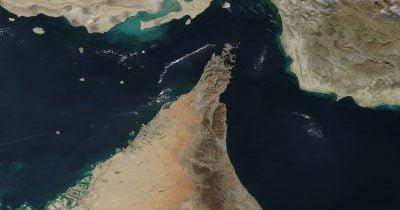
A senior U.S. official has issued a demand for Iran to reopen the crucial Strait of Hormuz by Saturday, threatening unspecified consequences should they fail to comply. This ultimatum significantly escalates existing tensions in the complex U.S.-Israel-Iran conflict and could have far-reaching implications for global oil markets.
The Strait of Hormuz is a vital maritime corridor responsible for transporting a substantial portion of the world's oil supply. The closure of this strait since February, caused by military activities and sea mine deployments by Iranian forces, has already generated notable disruptions in oil transportation and contributed to fluctuations in global oil prices. As Brent crude oil prices have eased to the range of $72 $75 per barrel from an April peak of $188, the current demand from the U.S. is likely to introduce further volatility into the oil market.
Market Reactions and Potential Outcomes
The market's reaction to this development reflects a cautious but concerned outlook among participants. There are indications that traders are adjusting their expectations regarding WTI crude prices for July, predicting a possible increase due to the escalation in geopolitical tensions. In light of this, key market dynamics to monitor include:
- The immediate response from Iran to the U.S. ultimatum.
- Potential military actions or diplomatic negotiations that could unfold in the coming days.
- How these developments might either stabilize or further disrupt oil supply chains.
As the situation continues to evolve, market observers will keenly watch for official statements from both the U.S. and Iran, alongside any indications of military activities in the region. The reopening of the Strait of Hormuz by Iran could signify a restoration of stability in oil markets, while a prolonged closure could exacerbate price volatility and market uncertainty.
This article is for informational purposes only and does not constitute financial advice.