The recent missile and drone attacks on Kyiv by Russia are worsening tensions in the already volatile region, prompting Ukraine to request an emergency meeting of the United Nations Security Council. This escalation, resulting in at least 18 fatalities and over 34 injuries, marks the second assault on the capital within a mere four days, underlining the precarious situation on the ground.
Implications for Ceasefire Negotiations
Ukraine’s call for dialogue reveals a sense of urgency in addressing the escalating conflict. It signals a potential breakdown in any prospects for a ceasefire between the two nations. Market analysts are interpreting this as a decrease in confidence regarding an imminent resolution, with probabilities for a ceasefire falling significantly across various time frames.
Geopolitical Context
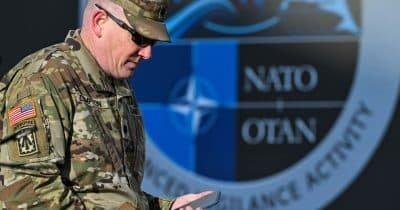
The timing of Russia's military maneuvers, coinciding with a critical NATO summit in Turkey where U.S. President Donald Trump will be present, suggests a deliberate strategy to exert influence over the forthcoming diplomatic discussions. This raises questions about Russia's intentions and its willingness to engage in substantive negotiations. The implications for NATO allies and their collective response to this incursion could be pivotal.
What to Monitor Moving Forward
Reactions from key international players will be crucial as the situation unfolds. The United States and other NATO members' responses to these developments could notably influence market perspectives regarding the prospect of a ceasefire. Observers will be keenly watching for statements from the NATO summit, specifically remarks from Trump and other leaders, that could indicate shifts in diplomatic or military strategy. Additionally, the outcomes of the UN Security Council meeting will likely shape future expectations for military and diplomatic actions in the ongoing Russia-Ukraine conflict.