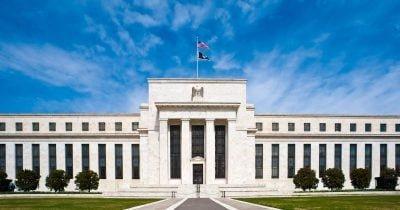
The recent decision by the Federal Reserve to infuse $10 billion into the U.S. economy marks a significant pivot towards stabilizing short-term funding markets. While this action is part of a strategic reserve management approach focusing on Treasury bill purchases, it has broader implications for monetary policy and the financial landscape.
Understanding the Injection's Mechanics
The Fed's liquidity measure consists of two transactions: $3.3 billion on Tuesday and $6.6 billion on Thursday. This not only signals a direct attempt to bolster bank reserves but also indicates a reversal from the previous trend of quantitative tightening. In essence, this injection aims to alleviate the strains evident within short-term funding markets, ensuring that liquidity remains sufficient for operational stability among banks.
Potential Market Reactions
The market's response to this liquidity infusion exhibits an increasing expectation of rate cuts by the Federal Reserve in 2026. Current market sentiment reflects a 77.6% likelihood that no rate hikes will occur in the coming year. Such expectations can create a sense of uncertainty, as investors weigh the balance between anticipated monetary easing and the actual economic data on inflation and employment.
What Investors Should Monitor
As this situation evolves, it will be crucial for market participants to closely watch the upcoming communications from the Federal Reserve. Specifically, any shifts in language during policy meetings regarding tightening or easing should be monitored closely. Potential influencers include shifts in employment figures, inflation rates, and geopolitical factors that could alter the Fed's course. Additionally, rhetoric around the overall economic environment will likely shape investors' sentiment regarding the sustainability of current market conditions.
- Observe Fed meetings for policy direction.
- Track employment and inflation reports closely.
- Watch for geopolitical developments that could influence rates.
In this context, the Fed's $10 billion injection acts as both a stabilizing force in the immediate term and a precursor to what future monetary policies may entail. Investors must remain vigilant as the repercussions of this move continue to unfold.