The recent extension of Broadcom's partnership with Apple until 2031 marks a significant milestone in the tech landscape, especially in the semiconductor sector. For over 15 years, Broadcom's chips have been integral to iPhones, reinforcing the bond between these two giants. This renewed multiyear, multibillion-dollar agreement, which aligns with Broadcom's long-term strategy to produce 5G radio frequency components, is particularly notable for its emphasis on US-made parts.
Contextualizing the Partnership
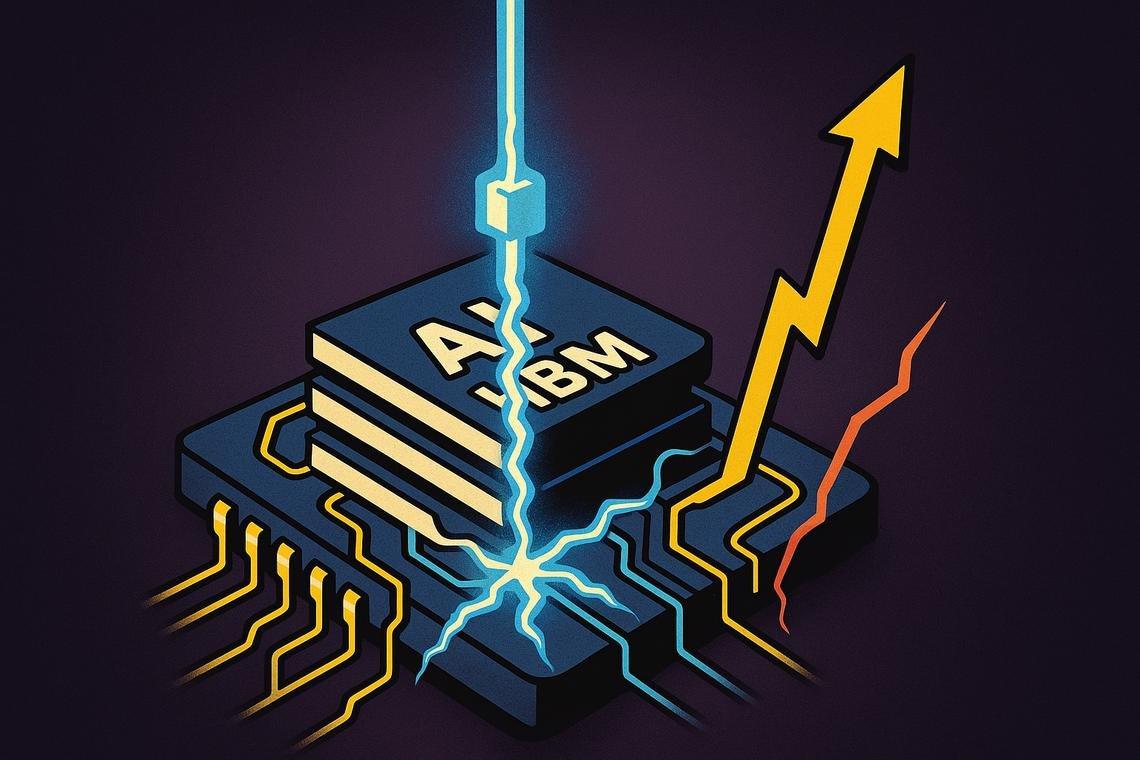
This partnership is not just about iPhones; it highlights a strategic shift as Broadcom diversifies into AI custom chips, with major collaborations, including one with Google. The company's move towards developing an AI server chip, codenamed Baltra, alongside Apple, indicates a broader ambition to enter the burgeoning AI hardware market by 2026.
Implications for Apple’s In-House Strategy
However, the backdrop of this deal is Apple’s apparent goal to lessen its reliance on third-party suppliers through increased in-house development. As reported, Apple plans to ramp up its chip production capabilities significantly around 2025, which could threaten Broadcom's revenue stream. Investors should closely monitor Apple's advancements in modem and wireless chip technologies, as these areas are prime candidates for internal development, potentially leading to significant market shifts.
Investor Outlook
For investors, Broadcom's deep dependence on Apple poses both risks and opportunities. Should Apple accelerate its vertical integration strategy, we may see increased volatility in Broadcom’s stock, particularly if key products transition from Broadcom to Apple's own chips. In contrast, if the collaboration on the Baltra AI server chip succeeds, Broadcom could fortify its role across Apple's ecosystem, ranging from consumer electronics to enterprise-grade AI solutions.
In summary, while the extended partnership with Apple demonstrates Broadcom's strength in the semiconductor market, the specter of Apple's in-house development looms large. As we enter this critical phase, market watchers will need to stay alert to any signs of shifts in Apple's chip strategy, which could redefine the competitive landscape.