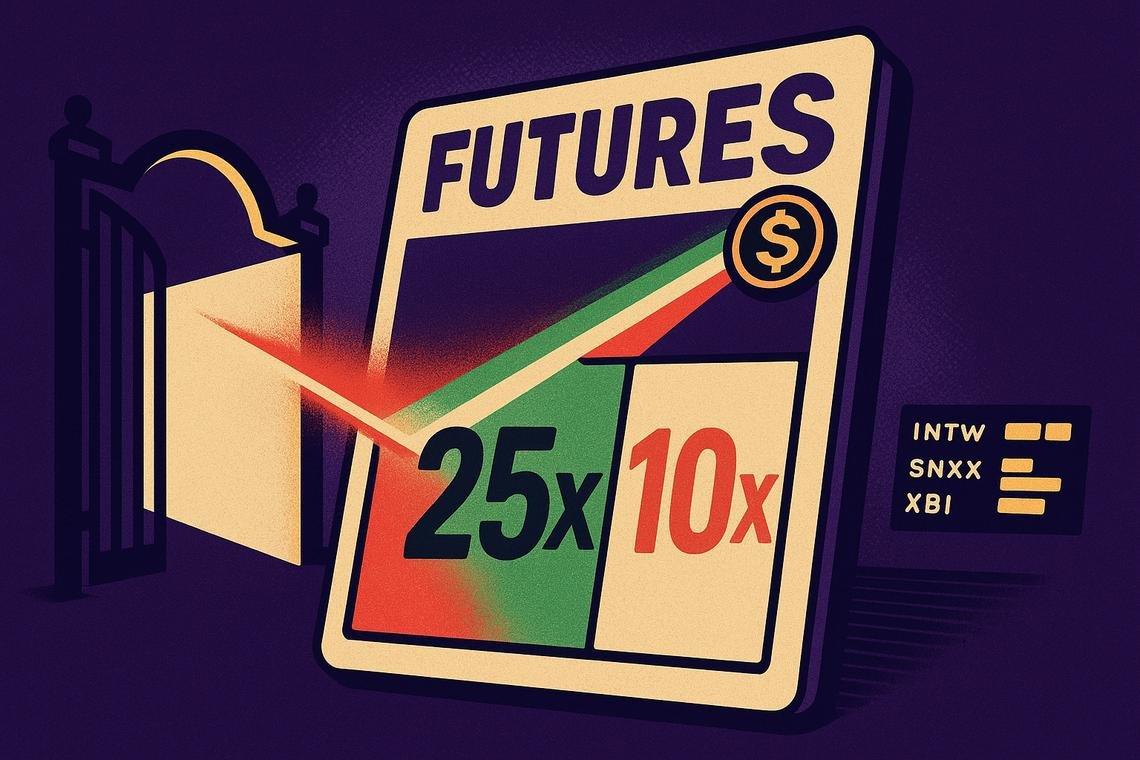
Binance is taking a bold step into traditional finance as it plans to launch seven new perpetual contracts that allow traders to gain exposure to notable US equities, including Wendy’s and leveraged ETFs tied to tech giants like Intel and Sandisk. This initiative, set to commence on July 9, 2026, reflects a significant shift in the market dynamics of cryptocurrency trading platforms, which have traditionally focused primarily on digital assets.
Why This Move Matters
This expansion into traditional equities marks a pivotal moment for Binance and potentially sets a precedent for other cryptocurrency exchanges. By allowing direct trading of stocks and ETFs through the same platform where cryptocurrencies are traded, Binance is not just diversifying its offerings, but also appealing to a new demographic of traders who may be more familiar with traditional equities.
- Seven new USDⓈ-margined perpetual contracts to launch on July 9, 2026.
- Contracts include equities like Wendy's, along with leveraged ETFs for Intel and Sandisk.
- Up to 25x leverage offered on most contracts, creating opportunities for high-risk trading.
The advent of these contracts is particularly intriguing because it includes leveraged ETFs, such as the GraniteShares 2x Long INTC Daily ETF, which are already designed to enhance exposure to price movements. This means that Binance's perpetual contracts could amplify market volatility and create unique trading strategies compared to typical equity-linked contracts.
Potential Implications for Traders and Investors
The introduction of perpetual contracts tied to traditional assets comes at a time when regulatory scrutiny over cryptocurrency platforms is intensifying. As Binance navigates these waters, the impact of this new offering may either bolster its reputation as a comprehensive trading platform or further complicate its regulatory challenges. Furthermore, by enabling trading in stocks around the clock, Binance is challenging conventional trading hours and providing increased flexibility for traders.
Additionally, the minimum notional value for trading these contracts is set at a mere 5 USDT, which lowers the entry barriers for new traders looking to leverage their positions in well-known equities. This accessibility is likely to attract a diverse range of investors from various backgrounds.
Looking Ahead: Future Developments to Watch
As we approach the launch date for these contracts, market participants should be vigilant regarding how this move influences Bitcoin and altcoin trading metrics. The interplay between traditional finance and crypto is becoming increasingly complex, and Binance’s actions could serve as a crucial litmus test for broader acceptance and integration of blockchain technology in traditional financial systems. Additionally, it will be important to observe how other exchanges respond to Binance's new offerings and whether they will follow suit with similar products.
This material is for informational purposes only and does not constitute financial advice.