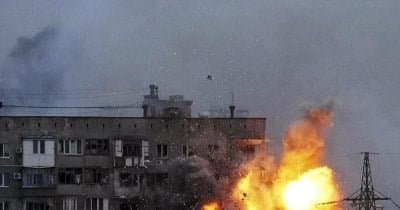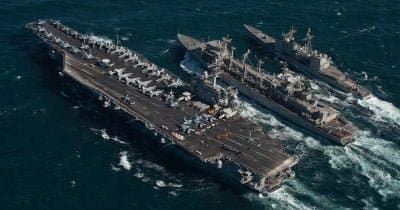
The explosions at the US Navy’s Fifth Fleet headquarters in Bahrain on July 18, 2026, represent a tangible shift in the Iran-US-Israel conflict dynamics. This attack not only symbolizes a direct challenge to US military presence in the Gulf but also signals increased volatility in regional security, which markets have already started pricing in aggressively.
Escalation and Market Implications
Reports confirm significant damage to the naval base, although US Central Command disputes the success of the strikes. Regardless of the conflicting accounts, the mere occurrence of such an attack has pushed prediction markets to price a 99.3% probability of further Iranian military action against Gulf states. This heightened risk perception reflects a market increasingly sensitive to geopolitical instability, which could disrupt global oil supplies and strain energy markets.
Geopolitical Context and Future Risks
Iran's move is widely interpreted as retaliation for prior US and Israeli operations, deepening the ongoing war that has embroiled these nations. The Bahraini government's condemnation shows the complexity of sovereignty issues in the region. Key figures, including Iran's Supreme Leader Ali Khamenei and US military officials, will likely influence the trajectory of this conflict. Investors and analysts should closely monitor statements and possible retaliatory measures, as further strikes could escalate tensions and introduce new layers of risk for global markets.
Given the fluid nature of the events, the security environment in the Gulf remains precarious. The potential for additional disruptions to naval operations and regional stability could have far-reaching consequences, especially for energy and trading sectors sensitive to Middle Eastern developments.
This analysis is informational and does not constitute financial advice.