Iraq’s recent announcement of $60 billion in energy contracts with Chevron, ConocoPhillips, and BP reveals more than just hefty investments. It marks a calculated pivot towards strengthening Western alliances in the energy domain, challenging longstanding Iranian influence in the region. These deals are set against a backdrop of heightened U.S.-Iraq cooperation and reflect strategic decisions reshaping Middle East energy geopolitics.
Strategic Implications of the New Contracts
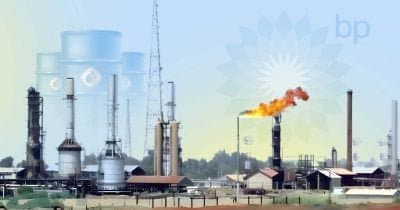
The agreements encompass major projects such as Chevron’s development of the West Qurna 2 and Nasiriyah oil fields, alongside ConocoPhillips acquiring a significant stake in BP’s Kirkuk operations. Beyond capital infusion, this moves Iraq’s energy infrastructure closer under Western corporate management, potentially increasing operational transparency and efficiency.
the revival of a U.S.-backed pipeline running through Syria to Turkey shows a deliberate attempt to circumvent traditional routes vulnerable to Iranian control. This infrastructure project is more than just an oil transport solution: it embodies a strategic effort to diversify Iraq’s export pathways and reduce Tehran’s use over regional energy flows.
Market and Political Repercussions
From a market perspective, these developments correlate with a perceived decline in the chances of a near-term U.S.-Iran nuclear deal. Iraq’s alignment with Western energy firms signals a recalibration of regional power dynamics, encouraging investors to reassess risk in Middle Eastern markets and shifting attention away from Iranian-linked energy corridors. Such shifts could influence global oil supply perceptions, pricing, and investment patterns.
Politically, this move may intensify tensions between Iraq and Iran, as Baghdad distances itself from Tehran’s sphere of influence. It also reflects Baghdad’s broader ambition to assert greater autonomy in foreign policy and economic partnerships. For the U.S. and its allies, these deals offer a foothold in a resource-rich but geopolitically volatile region, enhancing their strategic positioning.
What to Monitor Going Forward
- Progress on the West Qurna 2 and Nasiriyah field developments and their impact on production levels.
- Advancements in the U.S.-backed Syria-Turkey pipeline and any geopolitical pushback, especially from Iranian-backed factions.
- Official Iranian reactions, which could signal broader regional shifts or retaliatory measures.
These factors will shape not only Iraq’s energy future but also wider market sentiment and regional stability. Investors and analysts should watch closely for further signs of Iraq’s shifting allegiances as they weigh the longer-term geopolitical landscape.
This material is informational and does not constitute financial advice.