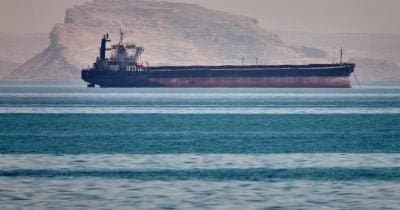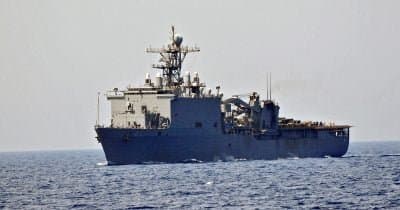
The United States is poised to implement a maritime blockade on Iran starting Tuesday, a decision that has significant implications amidst the ongoing 2026 Iran war. This blockade comes just weeks after the US lifted its previous naval restrictions on June 18, following a temporary ceasefire. Such a sudden reversal raises questions about the stability of diplomatic negotiations between the US and Iran, especially given the critical role of the Strait of Hormuz in global oil transportation.
Market analysts are interpreting this development as a signal that normalization of traffic through the Strait of Hormuz is becoming increasingly unlikely by the projected date of August 31. The current pricing dynamics reflect a marked decrease in confidence regarding the reopening of this vital shipping route, with the probability of a return to normalcy dropping to just 15.5%. This change could lead to heightened volatility in oil prices, as traders react to the uncertainty surrounding supply lines.
Observers are now closely watching for official communications from both the US and Iranian governments, which may clarify the situation regarding the blockade and the status of the ceasefire agreement. Any confirmation of the blockade could further exacerbate fears surrounding the Strait of Hormuz, potentially leading to a spike in oil prices due to anticipated supply constraints.
Furthermore, updates from vessel tracking services and reactions in the oil markets will be crucial indicators of how this situation unfolds. The maritime blockade not only underscores the fragile state of US-Iran relations but also highlights the geopolitical tensions that can quickly escalate and disrupt global trade networks. A thorough understanding of these dynamics is essential for investors looking to navigate the uncertainties of the oil markets, especially in light of previous discussions around factors such as Iran's Hormuz fees and their implications for pricing.
This material is informational and does not constitute financial advice.