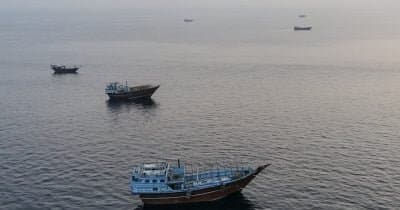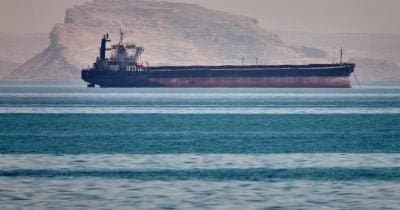
The United Nations International Maritime Organization (IMO) has publicly rebuffed Iran's intention to implement transit fees for the strategically critical Strait of Hormuz. This decision emerges amidst escalating tensions between the U.S. and Iran, marked by President Trump’s recent calls for allied nations to bolster military presence in the area. The IMO's opposition centers on the absence of a legal foundation for such fees under international law, a stance that could complicate Iran's revenue aspirations further.
The backlash from the IMO is particularly significant due to the Strait of Hormuz's role as a vital conduit for global oil supplies. With military tensions escalating in the region, fears of shipping disruptions have prompted international concern. Trump’s remarks, pushing for NATO’s involvement, seem to reflect a deeper anxiety regarding stability in this essential waterway.
Market reactions have begun to reflect this uncertainty, particularly in prediction markets regarding Iran's fee implementation plans. Currently, the probability of fees being charged by the mid-July deadline has risen to 9%, a notable increase from 3% just a day prior. This shift indicates that while immediate confidence in fee enforcement is low, the possibility of Iran pursuing such measures remains in play. Longer-term projections for fee implementation are even more optimistic, with probabilities of 51.5% for late August and 69.0% for the end of October.
This complex interplay of geopolitical tensions and legal challenges underscores the precariousness of Iran’s plans to monetize transit access. The implications extend beyond Iran, as any moves to implement fees in a legally questionable manner could provoke broader military responses or further diplomatic isolation.
Investors and analysts will need to closely monitor developments from Iran's parliament regarding the fee system's formalization, as well as any shifts in the UN’s position. Future announcements could greatly influence market perceptions and strategies, necessitating vigilant observation of the military landscape in the Strait of Hormuz.
This article is informational and does not constitute financial advice.