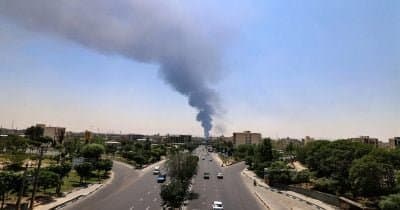
"We are witnessing a precarious balance," remarked a regional security analyst amid rising US-Iran tensions, underscoring the significance of Polymarket's forecast that places the probability of a US invasion of Iran at 31% by 2027. This figure, while not signaling an immediate ground offensive, reflects an elevated risk environment driven by ongoing conflict dynamics and substantial US military deployments in the area. The analysis suggests that while direct invasion appears less likely, the elevated odds indicate growing market anxiety about escalation and the fragility of diplomatic engagements.
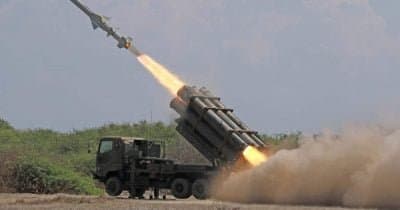
The US military's concentration on airstrikes and securing maritime chokepoints rather than assembling invasion forces points to constrained strategic ambitions, likely aimed at containment and pressure rather than outright regime change. This tactical posture influences how markets price risk, with investors and observers interpreting the 31% invasion likelihood as a marker of critical uncertainty. It also hints at limits within US foreign policy options precisely calibrated to avoid the political and economic costs of a full-scale ground war, yet prepared to escalate conflict in targeted ways.
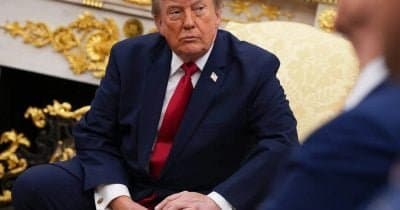
The impact on investors is multifold: elevated geopolitical risk typically drives volatility across asset classes, with disruptions expected in energy markets due to Iran’s strategic role in global oil supply routes. This scenario intersects notably with shifts in US foreign policy under President Trump, where changes could either amplify conflict tendencies or open avenues for negotiation. Monitoring military movements and diplomatic signals will therefore be essential as these influence market sentiment and volatility. The probability also indirectly affects cryptocurrency and macroeconomic risk appetites as capital reallocates to hedge against geopolitical shocks.
Market participants would do well to watch for any new US-Iran diplomatic developments or sudden military escalations, as these could quickly adjust the invasion probability and thus reframe risk assessments. International players’ reactions add complexity, potentially amplifying or mitigating tensions, which in turn echoes through asset volatility and trading patterns. This evolving backdrop demands a nuanced view on geopolitical risk, balancing immediate military indicators with broader strategy signals to anticipate market repercussions accurately.
This material is informational and does not constitute financial advice.