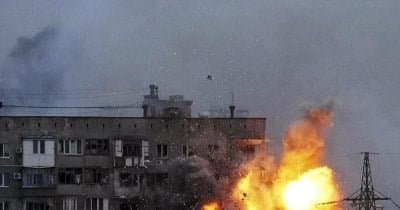
54.5% is the market-implied probability of Iran conducting military action against GCC states by July 22, revealing sharp escalation risks in the Gulf region. This figure emerges amid the Gulf Cooperation Council's strong condemnation of recent Iranian strikes on Bahrain, Kuwait, and Jordan, which targeted civilian infrastructure and caused injuries.
Such attacks mark a departure from localized tensions toward a broader confrontation that threatens regional stability. The GCC Secretary General Jasem Mohamed Albudaiwi's labeling of these strikes as war crimes signals a unified regional response front, increasing the likelihood of coordinated defensive or retaliatory actions under their collective pact.
Investors and markets now face heightened geopolitical uncertainty. The risk priced at over 50% reflects expectations that Iran's actions might provoke retaliations or even draw external powers into the conflict. This could disrupt energy markets given the Gulf's critical role in global oil supply, while also impacting broader risk sentiment.
Key figures like Iran's President Ebrahim Raisi and Saudi Crown Prince Mohammed bin Salman hold significant influence over the trajectory of this crisis, with their decisions potentially tipping the balance between escalation and diplomatic de-escalation. Monitoring their moves alongside real-time market probabilities is essential for anticipating next steps.
This content is informational and not financial advice.