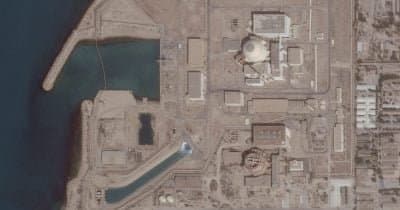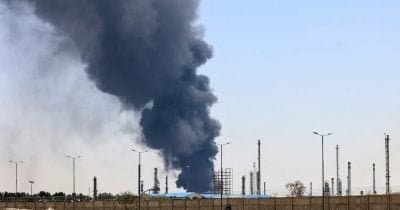
Fuel refineries don't usually make the shortlist of high-value military targets. Yet the reported Iranian strikes on Israeli refining and radar infrastructure have pushed exactly that logic into the open, forcing analysts to reckon with how logistics, not just firepower, determines who holds the advantage in a prolonged conflict.
According to reports circulating as of late July 2026, Iran has inflicted damage on Israel's fuel refineries and radar systems. The refinery hits carry an immediate operational implication: Israel's F-35 fighter jets require specific grades of aviation fuel, and any sustained disruption to domestic refining capacity creates a supply-chain problem that no amount of air superiority can paper over. The claim that such damage could ground the entire F-35 fleet has not been independently verified, but the scenario itself is not far-fetched. Military logistics doctrine treats fuel infrastructure as a critical vulnerability precisely because it is difficult to rapidly substitute.
Radar Damage and the Intelligence Blind Spot
The radar system strikes matter for a different reason. Israel's air defense architecture, including its layered detection grid, depends on continuous situational awareness. Degrading that grid doesn't just complicate interception of incoming threats. It also reduces the quality of intelligence available to U.S. surveillance operations that rely on Israeli sensor data in the region. That second-order effect, American intelligence capacity taking a hit, is the detail most commentary has glossed over.
Both countries have now moved clearly into a phase where energy and military support infrastructure are legitimate targets. Earlier rounds of the conflict focused on direct strikes. This phase targets the machinery that keeps operations running, a shift that tends to produce slower, grinding attrition rather than decisive battlefield moments. It also makes escalation harder to reverse, because rebuilding a refinery or a radar network takes months, not days.
Airspace Closure: What Prediction Markets Are Pricing In
Prediction market participants have already adjusted. Probabilities assigned to Israel closing its airspace by specific near-term dates have moved up noticeably since the infrastructure damage reports emerged. That kind of market signal is worth taking seriously. Prediction markets aggregate dispersed information quickly, and when pricing on airspace closure shifts sharply, it reflects genuine reassessment of risk, not just noise.
An airspace closure would carry cascading consequences. Commercial aviation through the eastern Mediterranean would be rerouted, adding hours and fuel costs to flights connecting Europe with South Asia and the Gulf. Insurance premiums for regional air cargo would spike. Tourism and business travel into Tel Aviv would effectively halt. The economic footprint of that scenario extends well beyond Israel's borders.
Key figures to watch include Israeli transport minister Miri Regev and defense minister Yoav Gallant. Their public statements, or conspicuous silence, will likely telegraph any formal airspace decision before an official announcement lands. Any new retaliatory strikes in the coming days, whether by Israel against Iranian energy targets or by Iran against Israeli military logistics nodes, would accelerate that timeline.
The broader pattern here echoes earlier analysis of the Andimeshk strike and how escalation probabilities compound once infrastructure targeting begins. Each exchange raises the baseline from which the next move is calculated, and the ceiling for what counts as proportionate keeps shifting upward.
This article is for informational purposes only and does not constitute financial or investment advice.