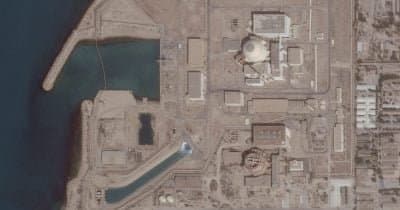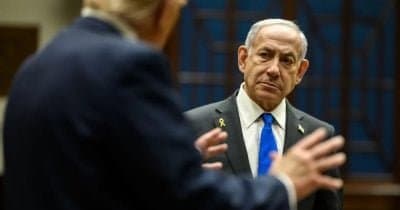
On July 17, 2026, Iranian Foreign Minister Abbas Araghchi issued a stark warning regarding what he perceives as Israeli interference in U.S. foreign policy. This statement highlights Tehran's growing anxiety over Israel's potential influence on the United States amid a backdrop of escalating tensions in the ongoing U.S.-Iran crisis.
The current geopolitical landscape has become increasingly fraught since President Donald Trump declared a Memorandum of Understanding aimed at de-escalating hostilities as 'over.' This announcement followed allegations of Iranian military strikes, which have significantly strained diplomatic communications. Araghchi's remarks suggest that Iran believes Israel is actively working to sabotage any potential reconciliation efforts between Tehran and Washington.
Implications for US-Iran Diplomatic Efforts
Market responses to this development indicate a decreased probability of a successful U.S.-Iran deal in 2026. Specifically, sub-market odds that had included provisions for reconstruction funding have shown a marked decline, reflecting heightened uncertainty and skepticism about the feasibility of future negotiations. Investors and analysts alike are responding to the increased risks associated with further military actions from Israel or retaliatory strikes from Iran.
The ramifications of these tensions extend beyond diplomatic corridors; they are poised to impact market dynamics significantly. As the potential for renewed military conflicts looms, investors should stay alert to statements from influential figures like President Trump and Iranian officials such as Javad Zarif. Any shifts in rhetoric could sway market perceptions and fuel volatility.
What to Monitor Moving Forward
As the situation develops, key indicators to watch include:
- Further communications from U.S. and Iranian leadership.
- Military actions undertaken by Israel or Iran.
- Market adjustments in response to geopolitical developments.
The ongoing U.S.-Iran crisis and its implications for market stability remain critical areas of focus for investors and analysts. The potential for a diplomatic resolution appears increasingly tenuous, underscoring the complexity of international relations in this volatile region.
This material is informational and should not be considered financial advice.